
How to backup your WordPress site is crucial for website owners. A well-planned backup strategy protects your precious content, ensuring you can recover from unexpected issues like accidental deletions, malware attacks, or even server problems. This comprehensive guide walks you through everything from manual methods to automated plugins, storage options, and restoration procedures, ensuring you’re ready to safeguard your WordPress site at all times.
We’ll cover different backup types, and compare various methods and plugins to help you find the perfect fit for your needs.
Understanding the importance of regular backups is paramount for any WordPress website. This guide will empower you to implement a robust backup strategy, keeping your website safe and secure.
Introduction to WordPress Backups
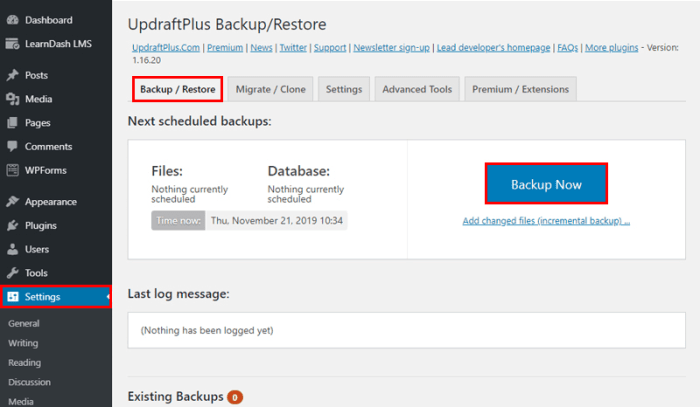
WordPress backups are essential for safeguarding your website’s data, ensuring continuity, and mitigating potential losses. A WordPress backup is a copy of your website’s files, databases, and configurations. This copy allows you to restore your site to a previous state if something goes wrong, like a hacking attempt, a coding error, or a corrupted file. Regular backups are crucial for maintaining website functionality and protecting valuable content.The importance of backing up a WordPress site cannot be overstated.
Without backups, a single error or malicious attack could render your entire website unusable, leading to lost revenue, damaged reputation, and a significant amount of time and resources needed for recovery. This is why a proactive backup strategy is critical for every WordPress site owner.
Definition of WordPress Site Backups
WordPress site backups are copies of your website’s files, database, and configurations, stored separately from the live site. These copies act as a safeguard, allowing you to revert to a previous state in case of data loss or corruption. This encompasses all aspects of your website, including your theme, plugins, media files, and most importantly, your website content.
Importance of Backing Up a WordPress Site, How to backup your wordpress site
Regular backups are crucial for maintaining website functionality and protecting valuable content. Without backups, data loss can result in significant downtime, financial losses, and a negative impact on your brand reputation. Furthermore, backups provide a safety net for accidental deletions or errors, allowing for swift recovery and minimal disruption.
Types of WordPress Backups
Different backup types cater to varying needs and frequency requirements. Full backups copy all files and database data, while incremental backups copy only the changes since the last full or incremental backup. This difference impacts the time and space needed for backups. For example, full backups take longer to complete but provide a comprehensive snapshot of your site.
Incremental backups, on the other hand, are quicker but require a recent full backup for restoration.
Consequences of Not Backing Up a WordPress Site
The consequences of neglecting WordPress backups can range from minor inconveniences to significant financial and reputational damage. Without backups, a corrupted file, a malicious attack, or a simple user error could lead to the complete loss of your website data. This loss could result in significant downtime, lost revenue, and a damaged reputation, making it essential to prioritize backup strategies.
Comparison of Backup Methods
| Method | Pros | Cons |
|---|---|---|
| Manual Backups (e.g., copying files and databases) | Potentially cost-effective if you have the technical skills and time | Requires significant technical expertise and time commitment; vulnerable to human error; potentially risky if not done correctly |
| Automated Backups (using plugins or hosting services) | Streamlined and efficient; minimizes human error; often more reliable | Can be costly depending on the service; may require learning a new interface; potential for incompatibility issues with plugins or themes |
Automated Backup Plugins
Backing up your WordPress site is crucial for maintaining data integrity and preventing catastrophic data loss. Automated backup plugins streamline this process, allowing you to schedule regular backups and handle storage without manual intervention. These plugins often offer a range of features to customize your backup strategy, from choosing the frequency to selecting storage locations. This section delves into popular options, highlighting their key features, benefits, drawbacks, and installation procedures, ultimately empowering you to choose the best solution for your needs.
Popular WordPress Backup Plugins
Numerous plugins facilitate automated WordPress backups. Choosing the right one depends on your specific requirements and technical proficiency. Here’s a look at some popular options:
- UpdraftPlus: A highly regarded and feature-rich plugin, UpdraftPlus offers robust scheduling capabilities, allowing you to set backups to run daily, weekly, or on a custom schedule. It supports various storage options, including Dropbox, Google Drive, Amazon S3, and more. Its user-friendly interface makes it accessible for users of varying technical experience. It’s known for its reliable performance and extensive compatibility.
- VaultPress: A premium option, VaultPress provides comprehensive backup and restoration services, focusing on security and data integrity. It offers automatic backups with varied scheduling options. Key strengths include enhanced security features, secure storage, and reliable restoration capabilities. However, the cost of the premium service may be a barrier for some users.
- BackWPup: BackWPup is another well-regarded plugin, known for its versatility and storage options. It allows for scheduled backups and supports various storage destinations, from local storage to cloud services. A key benefit is the ability to customize the backup process, including choosing specific files and databases to include.
- WP Time Capsule: This plugin provides a simple and straightforward approach to automatic backups, primarily focusing on scheduling and ease of use. It’s a good choice for users seeking a basic but effective backup solution, with support for local and cloud storage options. It is known for its straightforward setup and user-friendly interface.
Key Features of Automated Backup Plugins
A critical aspect of choosing an automated backup plugin is understanding its features. These features often include the ability to schedule backups, choose storage options, and offer restoration capabilities. These characteristics are vital for ensuring the preservation and retrievability of your WordPress site data.
- Scheduling: Plugins allow you to set backup schedules, ranging from daily to weekly, or even more customized intervals, to maintain a regular backup routine. This proactive approach ensures that you have recent backups available when needed.
- Storage Options: The choice of storage options is critical. Plugins offer support for local storage, cloud services like Dropbox, Google Drive, and Amazon S3, and even FTP servers. This flexibility allows you to tailor your backup strategy to your needs and security preferences.
- Restoration Capabilities: The ability to restore from backups is essential. A good plugin will provide easy-to-use restoration tools, enabling you to recover your site to a previous state in case of data loss or other issues.
Benefits and Drawbacks of Using Automated Backup Plugins
Using automated backup plugins provides numerous advantages but also comes with potential drawbacks. Understanding both sides is essential for making an informed decision.
- Benefits: The main benefits include reduced manual effort, ensuring regular backups, and facilitating data recovery. Automated backups free up time and ensure that you always have a recent copy of your website. They also minimize the risk of data loss.
- Drawbacks: Some plugins might have limitations in terms of storage capacity or feature sets. Premium plugins often come with a cost. If not properly configured, plugins might create unnecessary storage demands or fail to adequately address security concerns. Understanding the specific needs of your site is key to minimizing potential drawbacks.
Installing and Configuring a Backup Plugin
The process of installing and configuring a backup plugin generally involves a few straightforward steps. Each plugin has a specific installation process, but the general principle is to download, install, activate, and configure the plugin.
- Downloading: Download the plugin from the WordPress repository or the plugin’s website.
- Installation: Upload the plugin file to the WordPress plugins directory and activate it.
- Configuration: Access the plugin’s settings page and configure the backup schedule, storage options, and other preferences.
Comparison Table of Popular Backup Plugins
Backup Storage Options
Backing up your WordPress site is crucial for data safety, but where you store those backups matters just as much as the backup process itself. Choosing the right storage method balances security, cost, and accessibility. This section explores different options, from cloud services to physical drives, to help you make an informed decision.Different storage options offer varying levels of accessibility, security, and cost.
The ideal solution depends on your specific needs and budget. Understanding the trade-offs between these factors is key to ensuring your backups are both readily available and secure.
Cloud Storage Options
Cloud storage services provide a convenient and often secure way to store WordPress backups. They typically offer automatic backups, version control, and easy access from various devices. However, cloud services often have pricing tiers that can impact your overall costs.
| Service | Features | Pricing |
|---|---|---|
| Google Cloud Storage | High scalability, robust security features, integration with other Google services. | Pay-as-you-go, storage tiers available. |
| Amazon S3 | Highly scalable, reliable, and secure object storage. Excellent for large-scale backups. | Pay-as-you-go, various storage classes with varying costs. |
| Dropbox | Easy-to-use interface, good for smaller-scale backups, file syncing capabilities. | Subscription-based plans, tiered storage options. |
| Microsoft Azure Blob Storage | Highly scalable, reliable, and secure cloud storage. Good for enterprise-level backups. | Pay-as-you-go, flexible storage options. |
| Backblaze B2 | Affordable storage, high reliability, simple interface for managing backups. | Pay-as-you-go, various storage tiers with different pricing. |
Choosing a cloud storage provider involves considering factors like reliability, security, and cost-effectiveness. For instance, Google Cloud Storage is a robust option for large-scale operations, but might be more expensive than a service like Backblaze B2. Evaluate your needs and budget to select the best fit.
Backing up your WordPress site is crucial, and while it might seem like a tedious task, it’s well worth the effort. A strong backup strategy, combined with smart keyword research – like using tools and techniques found in using keyword research to generate website traffic – can help boost your site’s visibility and ultimately drive more traffic.
This, in turn, will make maintaining your site even more important, highlighting the importance of a robust backup solution.
External Hard Drives
External hard drives offer a relatively inexpensive way to store backups locally. They provide a tangible, physical backup solution. However, they are vulnerable to physical damage and require regular maintenance to prevent data loss. A dedicated backup system with proper data redundancy and physical security protocols is vital for maintaining data integrity.Maintaining backups on physical drives involves considerations like physical security, potential damage, and replacement costs.
For instance, a hard drive failure can result in complete data loss if backups aren’t regularly updated and stored in a safe location. Protecting against theft or damage is also paramount.
Other Storage Options
Other storage options include NAS (Network Attached Storage) devices, which provide local storage with network accessibility. They offer increased security compared to standard external drives but might come with a higher upfront cost. Similarly, tape drives offer extremely low-cost archival storage but typically require specialized knowledge to manage.Understanding the various storage options for your WordPress backups, along with their associated advantages and disadvantages, will enable you to make an informed decision aligned with your specific needs and resources.
Restoring a WordPress Backup: How To Backup Your WordPress Site
Bringing your WordPress site back to life after a mishap or update is straightforward if you’ve got a solid backup strategy. This guide will walk you through the restoration process, covering database and file recovery, and crucial testing steps to avoid headaches down the road. A well-executed restore process is critical to minimizing downtime and data loss.Restoring a WordPress backup is like performing surgery on your website – careful planning and execution are essential.
This isn’t a task to rush; taking your time and following these steps will help you avoid common pitfalls and get your site back online quickly and safely.
Restoring WordPress Databases
Restoring your WordPress database is a critical step in site recovery. A properly restored database ensures that all your website’s content, user data, and settings are correctly loaded. Incorrect restoration can lead to significant data loss or corruption.The method for restoring the database will vary depending on your backup solution. If you used a plugin, follow the plugin’s specific instructions.
Common steps often involve importing the SQL file into your MySQL database. If you’re restoring from a local backup, ensure the target database exists and has the same structure as the one in your backup.
Restoring WordPress Files
Restoring your WordPress files is just as crucial as restoring the database. This step ensures that your site’s themes, plugins, and other essential files are back in place.Your backup solution will typically provide instructions for transferring the files to your website’s designated directory. The location of this directory is usually in your web hosting account’s file manager. Carefully upload the files into the correct location, matching the original directory structure as closely as possible.
Backing up your WordPress site is crucial, especially for a successful online presence. Think of it like a safety net for your business – it’s essential for your website’s continued operation, just as strong branding, like successful business branding in print and online , is key for your overall brand recognition. Regular backups ensure you can quickly recover from any unforeseen issues, keeping your website running smoothly and your business thriving.
Testing Backups Before Restoration
Testing your backups before restoring to a live site is non-negotiable. This crucial step ensures your backup is usable and doesn’t contain errors that could compromise your live site. This prevents potential data loss and allows you to catch issues before they become a problem.Before performing a full restoration, try restoring a copy of your site in a staging environment.
This lets you see if the restoration process works as expected and if your site functions correctly. This process helps to avoid irreversible damage.
Potential Restoration Issues and Troubleshooting
There are several potential issues you might encounter during the restoration process. Understanding these issues and their troubleshooting steps is crucial to a smooth restoration.
- Incorrect File/Database Structure: Ensure the restored files and database structure align with your current WordPress setup. If there are discrepancies, you might need to adjust the database structure or file paths accordingly.
- Plugin Conflicts: After restoring, if plugins are not working, it’s likely due to compatibility issues. Check the plugin’s documentation or try updating or reinstalling the plugins.
- Database Errors: Errors during database restoration can indicate inconsistencies in your backup or problems with your hosting environment. Carefully examine the error messages and consult your hosting provider for assistance.
- File Permissions Issues: Certain files might have incorrect permissions after restoration. Verify the file permissions are set correctly. Adjust permissions to the necessary levels to resolve the issue. The proper permissions for each file type can be found in your hosting provider’s documentation.
Remember, consistent backups are your first line of defense. Always prioritize testing and troubleshooting potential issues before restoring your live site.
Backing up your WordPress site is crucial for any blogger, especially beginners. A simple way to do this is using plugins, but to really maximize your workflow, exploring productivity tools for beginning bloggers like productivity tools for beginning bloggers can help streamline the entire process. Once you’ve got your system organized, you’ll find backing up your site becomes much easier, saving you time and headaches down the road.
Backup Schedule and Frequency
Regular backups are crucial for protecting your WordPress site from data loss. Whether due to accidental deletion, malware attacks, or server issues, having a recent backup allows you to quickly restore your site to a previous working state. This is not just about preventing disaster; it’s about ensuring your site’s continued operation and the safety of your valuable content.Establishing a consistent backup schedule and understanding the appropriate frequency for your site is key to mitigating potential risks.
The frequency should be tailored to the type of site and its activity level. A blog with infrequent updates requires less frequent backups than an e-commerce site processing numerous transactions daily.
Importance of a Regular Backup Schedule
A regular backup schedule provides a safety net for your WordPress site. It allows you to recover quickly from any unforeseen issues. A well-defined schedule ensures you always have a recent copy of your data, reducing downtime and the potential for significant financial losses if your site is compromised. Regular backups are the cornerstone of website resilience.
Backup Frequency Based on Site Activity and Importance
The frequency of backups directly correlates with the site’s activity level and importance. High-traffic, dynamic sites with frequent content updates need more frequent backups than static websites. This is because any data loss during a period of high activity would mean the loss of more recent data.
Recommendations for Backup Scheduling
For optimal protection, implement a daily backup schedule. This provides a complete snapshot of your site’s data at the end of each day. Supplementing daily backups with weekly or monthly full backups can further strengthen your protection. Weekly backups offer a valuable checkpoint to recover from issues within a week, and monthly backups provide an additional safeguard for long-term data retention.
Consider incorporating backups into your website maintenance routines.
Incorporating Backups into Website Maintenance Routines
Integrating backups into your website maintenance routines is essential. Schedule backups as part of your regular maintenance tasks, such as updating plugins or themes. This ensures that backups are consistently performed, reducing the risk of missing critical updates or changes. Make sure to thoroughly test the restoration process periodically to verify the backups’ integrity.
Recommended Backup Frequencies for Different Site Types
Implementing a tailored backup strategy based on site type is essential for optimized protection. This table Artikels recommended backup frequencies for various site types.
| Site Type | Recommended Frequency |
|---|---|
| Blog (low activity) | Weekly |
| Blog (medium activity) | Daily |
| E-commerce site (high activity) | Hourly or Daily |
| News website (high activity) | Hourly or Daily |
| Membership site (frequent user interaction) | Daily |
Security Considerations for Backups
Backing up your WordPress site is crucial for data safety, but secure backup practices are equally vital. Ignoring security measures can leave your valuable data vulnerable to hackers and malicious actors. This section delves into the critical security aspects of storing and managing WordPress backups.Proper security protocols are essential to protect your backups from unauthorized access, ensuring your data remains confidential and usable.
Robust encryption, access controls, and storage practices are paramount to safeguarding your website’s integrity.
Secure Backup Storage
Protecting backups from unauthorized access begins with selecting secure storage locations. Physical storage devices should be kept in a secure environment, and cloud storage services should utilize strong passwords and multi-factor authentication. Avoid storing backups in publicly accessible locations or on devices with weak security measures. Never use a storage location shared with other websites or personal files.
This isolation minimizes potential breaches.
Encryption for Backup Data
Encryption is a cornerstone of backup security. Encrypting your backups renders them unreadable to unauthorized individuals, even if they gain access to the storage location. Strong encryption algorithms, like AES-256, are essential for robust protection. Using a robust encryption solution ensures the confidentiality of your backup data, making it impervious to unauthorized access. Choose a method that aligns with your technical expertise and resource availability.
Password Management and Access Controls
Robust password management and access controls are critical to securing your backups. Use strong, unique passwords for all accounts associated with your backup storage. Implement multi-factor authentication (MFA) whenever possible to add an extra layer of security. Restrict access to backups to only authorized personnel. Employ granular permissions to ensure only those who need access have it, preventing accidental or malicious data breaches.
Security Protocols for Backups
Implementing a strong security protocol for your WordPress backups is crucial for preventing data breaches. This involves meticulous planning and implementation.
| Protocol | Description |
|---|---|
| Secure Shell (SSH) | SSH is a secure network protocol for remote access to servers. Using SSH for backup commands ensures the confidentiality of data during transfer. |
| HTTPS/TLS | HTTPS/TLS provides secure communication between your website and the backup storage location, protecting data during transmission. |
| Cloud Provider Specific Security Measures | Different cloud providers offer various security features like encryption at rest, encryption in transit, and access control lists. Utilizing these features is crucial for enhancing backup security. |
Closure
In conclusion, safeguarding your WordPress site involves more than just a one-time backup. A consistent backup schedule, robust storage options, and the ability to quickly restore your site are essential. This guide provides the knowledge and tools necessary to protect your WordPress website and ensures you’re prepared for any eventuality. Remember to regularly test your backups to ensure they work as expected.