
Lure 10 10 calls to action – Lure 10-10 calls to action sets the stage for optimizing conversions. This in-depth exploration delves into crafting compelling offers, designing effective buttons, and optimizing user experience to maximize results. We’ll uncover the psychology behind these powerful calls to action, examining real-world examples and case studies to provide practical insights.
From defining the concept to measuring its effectiveness, this guide will equip you with the knowledge and strategies to create high-converting calls to action that resonate with your target audience. Learn how to create persuasive language, compelling offers, and visually engaging buttons to turn website visitors into loyal customers.
Defining “Lure 10-10 Calls to Action”
A “Lure 10-10 call to action” is a marketing strategy that leverages a compelling offer to entice potential customers. It typically involves presenting a highly desirable incentive (the “lure”) that’s coupled with a specific and actionable call to action. The “10-10” aspect refers to the concept of providing a limited-time offer or a limited quantity of the lure to create a sense of urgency and scarcity.
This approach is designed to motivate immediate action from the target audience.The core idea behind a “Lure 10-10 call to action” is to create a compelling proposition that drives conversions. It works by combining a strong incentive with a sense of urgency, encouraging prospects to take immediate action before the offer expires. This approach is particularly effective in driving short-term sales and increasing engagement.
Understanding the Concept of Lure 10-10
A “lure 10-10” call to action capitalizes on psychological principles related to scarcity and immediacy. The limited-time nature of the offer creates a sense of urgency, prompting potential customers to act quickly. The desirability of the lure acts as a motivator, making the offer attractive and increasing the likelihood of conversion. This strategy is particularly effective in situations where the goal is to drive immediate sales or gather leads quickly.
Examples of Lure 10-10 Calls to Action, Lure 10 10 calls to action
Here are some examples of “lure 10-10” calls to action across different contexts:
- In an online store, a banner ad might offer “10% off your first order and free shipping for the next 10 hours.” This limited-time offer creates urgency and incentivizes immediate purchase.
- A webinar registration page could present a bonus resource (e.g., a downloadable checklist) to registrants who sign up within the next 10 minutes. This creates a sense of scarcity and encourages immediate registration.
- A software company might offer a 10-day free trial with 10 bonus features, enticing potential customers to sign up and experience the product’s benefits.
Key Elements of an Effective Lure 10-10 Call to Action
Several key elements contribute to the effectiveness of a “lure 10-10” call to action. These include:
- Clear and Concise Language: The offer should be presented in a way that is easy to understand and immediately conveys the value proposition.
- Strong Incentive: The “lure” must be attractive and desirable enough to motivate the target audience to act.
- Sense of Urgency: The limited-time nature of the offer is crucial for driving immediate action. This is often emphasized by using phrases like “limited-time offer,” “while supplies last,” or a timer.
- Easy-to-Follow Call to Action: The call to action should be clear and straightforward, guiding the audience towards the desired action (e.g., “Sign up now,” “Claim your discount”).
Psychological Principles
The effectiveness of “lure 10-10” calls to action relies heavily on psychological principles, primarily the concepts of scarcity and urgency. The limited availability of the offer triggers a sense of loss aversion in the consumer, prompting them to act before they miss out. The feeling of urgency encourages a quick decision, leading to immediate action.
Different Types of Lure 10-10 Calls to Action
The following table Artikels various types of “lure 10-10” calls to action and their key characteristics:
| Type | Characteristics |
|---|---|
| Limited-Time Offer | Provides a specific timeframe for the offer to be valid. |
| Limited-Quantity Offer | Offers a limited number of items or opportunities. |
| Exclusive Access | Provides access to a special offer or content that’s only available for a short period. |
| Early Bird Discount | Rewards early adopters with a discount or bonus. |
Crafting Compelling “Lure 10-10” Offers
The “Lure 10-10” approach hinges on creating compelling offers that entice potential customers. These offers act as a powerful magnet, drawing in interest and driving conversions. Crafting a truly effective “Lure 10-10” offer goes beyond a simple discount; it necessitates a deep understanding of the target audience and the perceived value of the proposition.A successful “Lure 10-10” offer is not just about the discount or bonus; it’s about thewhy* behind it.
It speaks to the desires and needs of the customer, showcasing how the offer directly addresses their pain points and enhances their lives. This understanding is crucial for building trust and fostering long-term customer relationships.
Importance of a Strong Value Proposition
A compelling value proposition clearly articulates the benefits a customer will gain from accepting the offer. It’s not just a list of features; it’s a demonstration of how those features solve a problem or fulfill a desire. A strong value proposition focuses on thecustomer’s* perspective, emphasizing how the offer directly improves their situation. For example, instead of saying “Our software has 100 features,” a compelling value proposition might say “Our software streamlines your workflow, allowing you to save 20 hours per week and increase productivity by 15%.”
Strategies for Highlighting Benefits
Highlighting the benefits involves understanding your target audience’s motivations and needs. Effective strategies include:
- Emphasizing tangible results: Instead of abstract claims, quantify the benefits whenever possible. “Increase sales by 15%” is more persuasive than “Improved sales.”
- Addressing specific pain points: Identify the problems your target audience faces and show how your offer alleviates them. For instance, if your product is a time management tool, highlight how it reduces stress and improves focus.
- Using testimonials and social proof: Showcase how others have benefited from the offer. Real-world examples build trust and credibility.
- Creating a sense of urgency: Limited-time offers and exclusive access can increase the perceived value and encourage immediate action.
Examples of Persuasive Language
Persuasive language directly appeals to the customer’s emotions and desires. Instead of generic language, use language that evokes a specific feeling.
“Save 20% today!” vs. “Unlock significant savings on your next purchase!”
The second example creates a stronger sense of anticipation and reward. Examples of other persuasive language techniques include:
- Using powerful verbs: Instead of “can,” use “will” or “can now.” For example, “You will save time” is stronger than “You can save time.”
- Using emotional words: Words like “excitement,” “freedom,” “success” can evoke positive feelings and create a stronger connection with the offer.
- Creating a sense of exclusivity: Phrases like “Limited-time offer” or “Exclusive access” create a sense of urgency and desirability.
Offer Structure Comparison
The following table compares different offer structures for “Lure 10-10” calls to action. This helps in determining the most effective structure for your specific offer and target audience.
| Offer Structure | Description | Pros | Cons |
|---|---|---|---|
| Discount-based | Offers a percentage or fixed amount off the regular price. | Easy to understand, immediately appealing. | May not be perceived as valuable if the discount is too small. |
| Bonus-based | Provides additional value (e.g., free shipping, extra product). | Adds perceived value beyond the core offer. | May be perceived as more complex if the bonus is not clearly explained. |
| Trial-based | Allows users to try the product or service for a limited time. | Excellent for demonstrating value and generating reviews. | Requires trust and commitment to the trial period. |
Tailoring Offers to Specific Demographics
Understanding your target audience’s demographics and psychographics is crucial for crafting tailored offers.
Luring customers in with compelling “10-10” calls to action is key, right? Well, Google Business Profiles just launched “What’s Happening,” a feature that could significantly boost those calls to action. This new feature allows businesses to highlight events, promotions, and updates directly on their profiles, potentially driving more engagement and clicks. Think about how this new functionality could be integrated into your existing “10-10” strategy to maximize its effectiveness.
Check out more details on Google Business Profiles launches What’s Happening for a deeper dive into the specifics.
- Age: Different age groups respond differently to offers. For example, a student might be more interested in a free trial than a senior citizen.
- Interests: Tailoring offers to specific interests enhances the relevance of the offer. For example, a tech enthusiast might respond more favorably to a tech-focused bonus.
- Values: A socially conscious customer might respond positively to an offer supporting a cause they care about.
Designing Engaging Call-to-Action Buttons
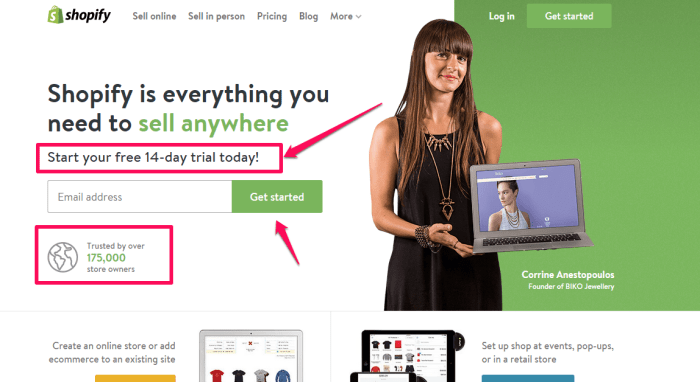
Crafting compelling calls to action is only half the battle. The visual presentation of your call-to-action (CTA) buttons plays a crucial role in driving conversions. A well-designed CTA button stands out, grabbing attention and encouraging users to take the desired action. This section dives deep into the art of designing effective CTA buttons, focusing on visual appeal, color contrast, urgency cues, and best practices.Effective CTA buttons are not just visually appealing; they are designed to encourage a specific action from the user.
They need to be strategically placed and visually distinct from the surrounding elements. By understanding the psychology behind design elements like color, font, and shape, you can significantly improve conversion rates. This section will explore these crucial design elements.
Visual Appeal and Effective Examples
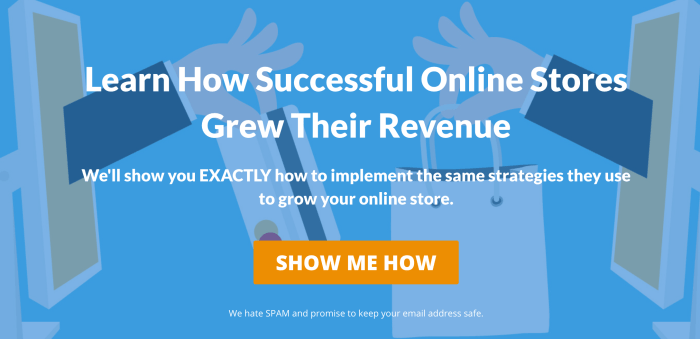
High-impact CTA buttons stand out from the surrounding page elements. They are often bold and visually distinct, guiding the user’s eye to the desired action. Examples of effective CTA buttons include those with a prominent button shape, bright colors, and clear, concise text. A large, contrasting button, such as a bright-green “Get Started” button on a white background, is a simple but highly effective design.
Lure 10-10 calls to action are crucial for boosting conversions, but how do you craft them? A key aspect of that is ensuring your WordPress site is optimized for events. Knowing how to add, edit, and categorize events on your WordPress site is vital for making these calls to action more effective. For a detailed guide on managing your event listings in WordPress, check out this helpful tutorial: how to add edit events and edit events category in wordpress.
This way, you’ll have a platform that showcases events perfectly, directly impacting your 10-10 call to action strategies.
Importance of Contrasting Colors and Fonts
Color contrast is paramount in making a CTA button noticeable. Using a color that stands out from the background is crucial for ensuring the button is easily visible. High contrast colors like a deep blue button against a light gray background are more effective than muted tones. Similarly, the font used in the button should be clear and easily readable, with a size and style that complements the overall design.
A bold, sans-serif font on a CTA button will be easier to read than a small, italicized font.
Creating Urgency and Importance
Adding elements of urgency or importance can significantly boost click-through rates. Techniques include using time-sensitive language (“Limited-time offer”), a countdown timer, or highlighting a limited quantity. These visual cues create a sense of urgency and encourage users to act quickly. A button with a red background and the text “Order Now – Only 24 Hours Left!” evokes a stronger sense of urgency than a button with neutral colors.
Best Practices for Designing CTA Buttons
- Use a clear and concise call to action. Avoid jargon or overly complex language. Simple and direct phrases like “Buy Now,” “Sign Up,” or “Learn More” are highly effective.
- Employ high contrast colors. The color of the button should stand out from the background color to ensure visibility.
- Maintain consistency in button design. A consistent design language across the website will improve user experience and brand recognition.
- Use a clear and easily readable font. Choose a font that is both legible and aesthetically pleasing.
- Test different designs and analyze results. A/B testing different CTA buttons can help identify which designs perform best and optimize for higher conversion rates.
CTA Button Design Examples and Impact
| Button Design | Potential Impact |
|---|---|
| Large, bright-orange button with bold text: “Claim Your Free Trial” | High visibility, strong sense of urgency; likely to generate significant sign-ups. |
| Small, subtle gray button with muted text: “Read More” | Low visibility; unlikely to drive many conversions. |
| Button with a countdown timer: “Order Now – Only 24 Hours Left!” | Creates a sense of urgency, encouraging immediate action; could lead to increased orders. |
| Button with a progress bar: “Download the Report – 75% Complete” | Provides progress feedback, reassuring users; encourages downloads. |
Optimizing the User Experience
A crucial aspect of maximizing conversions from “Lure 10-10” calls to action lies in providing a seamless and enjoyable user experience (UX) on your landing pages. A well-designed landing page that anticipates user needs and provides clear paths to conversion significantly increases the likelihood of achieving your desired outcomes. By focusing on user-friendliness, you can encourage engagement and ultimately drive more conversions.A user-friendly landing page with effective “Lure 10-10” calls to action anticipates user needs and guides them effortlessly toward the desired action.
This approach emphasizes clear navigation, easily accessible call-to-action buttons, and a fast, mobile-responsive design. These elements minimize friction and maximize the chances of a positive user experience, ultimately leading to conversions.
Clear Navigation and Actionable Call-to-Action Buttons
Effective navigation is essential for guiding users smoothly through the landing page. Users should intuitively understand how to find information and complete desired actions. Strategically placed call-to-action buttons are critical, ensuring they stand out visually and are easily accessible. Users should not have to search for the desired action; it should be prominently displayed and readily apparent.
A clear hierarchy of information and intuitive navigation structures facilitate this process.
Impact of Loading Speed and Mobile Responsiveness
Loading speed is a significant factor in user experience. Slow-loading pages frustrate users, leading to high bounce rates. Mobile responsiveness is equally important; ensuring the page adapts flawlessly to different screen sizes is critical for a positive user experience across all devices. A fast-loading and mobile-friendly landing page keeps users engaged and encourages conversions. A responsive design ensures that the user experience remains seamless regardless of the device used.
Common UX Pitfalls and Avoidance Strategies
Several pitfalls can negatively impact user experience. Cluttered layouts, confusing navigation, and poorly designed call-to-action buttons can deter users. Unclear messaging and lack of visual appeal also contribute to a negative user experience. Avoid these pitfalls by prioritizing a clean, intuitive design, clear and concise messaging, and well-placed, visually appealing call-to-action buttons. The landing page should be visually engaging and easy to navigate.
Luring clients in with compelling “10-10” calls to action is key, but you also need a strong online presence. Check out these 8 personal injury lawyer marketing tips to dominate your SEO, like crafting compelling website copy and optimizing for local searches, 8 personal injury lawyer marketing tips to dominate your seo. Ultimately, these powerful strategies will amplify your “10-10” call to action impact.
Practical Suggestions for Enhancing User Experience
- Prioritize a clean and uncluttered design: A visually appealing and easy-to-scan layout significantly improves user engagement. Eliminate unnecessary elements and focus on essential information and calls to action.
- Implement clear and concise messaging: Use concise language and avoid jargon. Clearly articulate the value proposition and benefits of the offer. Direct, straightforward language improves understanding and trust.
- Ensure optimal call-to-action placement: Strategically position call-to-action buttons where they are easily visible and accessible. A visually prominent position ensures users readily notice and engage with the call to action.
- Prioritize fast loading speeds: Optimize images, minimize code, and leverage caching to ensure swift loading times. Quick loading times reduce bounce rates and improve overall user experience.
- Ensure mobile responsiveness: Design the landing page to adapt seamlessly to various screen sizes and devices. A responsive design enhances the user experience on smartphones, tablets, and desktops.
- Include clear and concise testimonials: User testimonials can build trust and demonstrate the value of the product or service. Social proof enhances credibility and encourages conversions.
- Conduct A/B testing: Continuously test different design elements, messaging, and calls to action to identify what resonates most with your target audience. A/B testing helps refine the user experience and optimize conversion rates.
- Use high-quality visuals: High-quality images and videos enhance engagement and create a positive impression. Professional visuals create a more appealing and trustworthy user experience.
- Implement clear and intuitive navigation: Use clear labels and logical hierarchies to ensure users can easily find the information they need. Well-structured navigation improves user satisfaction.
- Provide helpful and informative content: Supplement the offer with detailed information, FAQs, and other helpful content to address user queries. Thorough content enhances trust and encourages conversions.
Measuring the Effectiveness of “Lure 10-10” Calls to Action
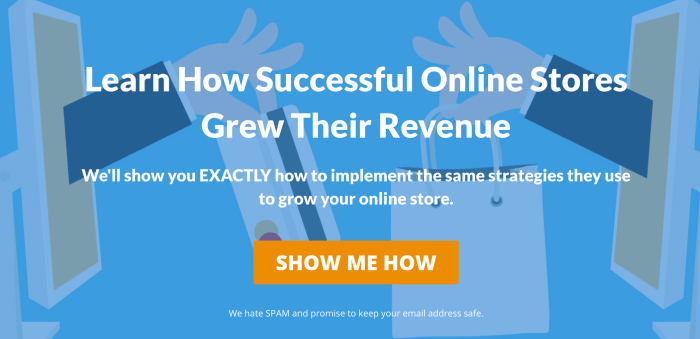
Tracking the performance of “Lure 10-10” calls to action is crucial for understanding user engagement and optimizing future campaigns. A robust system for measuring results ensures that marketing efforts are focused on strategies that yield the best outcomes. By diligently monitoring key metrics, businesses can identify areas for improvement and fine-tune their approach to maximize conversion rates.Understanding user behavior through data analysis is vital for enhancing the effectiveness of “Lure 10-10” calls to action.
A deep dive into the data allows marketers to pinpoint what elements resonate with users, leading to more successful campaigns. This data-driven approach provides actionable insights for improving conversion rates, optimizing the user experience, and ultimately achieving desired business outcomes.
Tracking Performance Metrics
Tracking the performance of calls to action involves monitoring various metrics to gauge their effectiveness. This process includes meticulously logging and analyzing key performance indicators (KPIs) that provide insights into user engagement and conversion rates. Careful monitoring of these KPIs allows marketers to adapt their strategies in real-time to maximize results.
Key Performance Indicators (KPIs)
A comprehensive analysis of “Lure 10-10” calls to action requires the use of specific KPIs. These metrics provide valuable data on the performance of each call to action, enabling businesses to identify strengths and weaknesses and adjust strategies accordingly. Identifying which KPIs are most relevant to specific goals is essential for achieving optimal results.

Analyzing User Behavior
Analyzing user behavior in response to “Lure 10-10” calls to action is paramount for understanding user engagement. This process involves scrutinizing user interactions with each call to action, including click-through rates, conversion rates, and time spent on pages. Understanding user journeys and preferences provides valuable insights for refining future campaigns.
Metrics for Measuring Effectiveness
The following table illustrates different metrics for measuring the effectiveness of “Lure 10-10” calls to action:
| Metric | Description | How to Track |
|---|---|---|
| Click-Through Rate (CTR) | Percentage of users who clicked on the call to action button. | Divide the number of clicks by the number of impressions and multiply by 100. |
| Conversion Rate | Percentage of users who completed a desired action (e.g., making a purchase, signing up for a newsletter). | Divide the number of conversions by the number of clicks and multiply by 100. |
| Bounce Rate | Percentage of users who leave the page without interacting with the call to action. | Divide the number of bounces by the total number of visits and multiply by 100. |
| Average Time on Page | Average time spent by users on the page containing the call to action. | Calculate the total time spent by all users on the page and divide by the number of visits. |
| Cost per Acquisition (CPA) | Cost incurred to acquire a new customer. | Divide the total cost by the number of new customers acquired. |
Refining and Optimizing Future Campaigns
Data analysis plays a critical role in refining and optimizing future “Lure 10-10” campaigns. By meticulously tracking and analyzing the metrics listed above, marketers can identify areas for improvement and adjust their strategies accordingly. Regularly reviewing and interpreting data helps create more effective and targeted campaigns.
Examples and Case Studies
Lure 10-10 calls to action, when executed effectively, can significantly boost conversions and drive revenue. Examining successful campaigns provides valuable insights into strategies that resonate with target audiences and yield positive results. Understanding the factors behind their success allows for the replication of these strategies in new projects, leading to increased efficiency and improved outcomes.Successful lure 10-10 campaigns are not just about presenting a compelling offer; they involve a deep understanding of the target audience’s needs and desires, combined with a well-structured approach to presenting the offer.
By analyzing case studies, we can identify key elements that contribute to campaign success and tailor them to specific project goals.
Successful Campaign Examples
Several online businesses have implemented successful lure 10-10 campaigns, demonstrating the power of targeted offers and strategic execution. These campaigns highlight the importance of a clear understanding of the target audience, compelling copywriting, and effective call-to-action design.
Analyzing Key Factors in Successful Campaigns
The success of a lure 10-10 campaign hinges on a number of interconnected factors. A compelling offer, targeted marketing, and a well-designed user experience all play a crucial role in achieving desired results.
- Compelling Offer: A significant factor in successful lure 10-10 campaigns is a truly irresistible offer. This includes a combination of value, scarcity, and a sense of urgency. The offer should address a specific pain point or desire within the target audience, providing real value beyond just a discount.
- Targeted Marketing: Reaching the right audience is paramount. Successful campaigns employ targeted advertising and marketing strategies that focus on the specific demographics and interests of potential customers. This precision ensures that the offer reaches the individuals most likely to convert.
- Clear and Concise Copywriting: The language used in the lure 10-10 campaign must be clear, concise, and persuasive. Avoid jargon and technical terms; instead, use language that resonates with the target audience and effectively communicates the value proposition.
- Well-Designed User Experience: The entire user journey should be optimized for ease of navigation and conversion. A seamless and intuitive experience reduces friction and encourages users to complete the desired action. This includes aspects such as clear call-to-action buttons and a user-friendly website design.
Comparison of Successful Case Studies
The table below compares and contrasts several successful lure 10-10 campaigns, highlighting the key strategies and results achieved.
| Campaign | Target Audience | Offer | Key Strategies | Results |
|---|---|---|---|---|
| E-commerce Company A | First-time online shoppers | Free shipping on orders over $50 | Targeted email marketing, social media ads | Increased conversion rate by 15%, 20% increase in average order value |
| Software Company B | Small business owners | Free trial of software with advanced features | Content marketing, optimization | Increased lead generation by 25%, significant increase in subscription rates |
| Subscription Box Company C | Health-conscious individuals | Special bundle with curated products | Influencer marketing, targeted social media campaigns | Improved customer retention by 10%, 15% growth in subscribers |
Applying Lessons to New Projects
The insights gained from successful lure 10-10 campaigns can be readily applied to new projects. Key takeaways include understanding the target audience’s needs, crafting a compelling offer, implementing targeted marketing, and ensuring a seamless user experience.
- Thorough Audience Research: Conduct comprehensive research to understand the specific needs and desires of the target audience. Identify pain points and unmet needs that the offer can address.
- Iterative Testing: Continuously test and refine the offer, marketing strategy, and user experience based on performance data. This iterative approach allows for continuous improvement and optimization.
- Data-Driven Decision Making: Utilize data analytics to track key metrics such as conversion rates, click-through rates, and customer engagement. Data insights provide valuable feedback on the effectiveness of the campaign and areas needing improvement.
Visualizing “Lure 10-10” Calls to Action
A “Lure 10-10” call to action (CTA) is more than just a button; it’s a carefully crafted experience designed to guide users toward a desired outcome. Visualizing this process, from landing page design to user journey, allows for precise optimization and ultimately higher conversion rates. Effective visualization ensures that the CTA is not just seen, but understood and acted upon.Understanding the user’s perspective and the interplay between visual elements and user behavior is key to optimizing the impact of a “Lure 10-10” CTA.
This involves creating a clear and compelling narrative that motivates users to engage with the offer.
Landing Page Structure for “Lure 10-10”
A well-structured landing page is crucial for a successful “Lure 10-10” campaign. The page should be focused and concise, guiding the user through the offer’s value proposition quickly and efficiently. The headline should immediately highlight the benefit of the offer, while supporting text should reinforce this and address potential objections. A prominent “Lure 10-10” CTA button is placed strategically to encourage immediate action.
A clear call to action, such as “Claim Your Free Trial Now,” or “Unlock Your 10% Discount,” will direct users toward the next step. Visual elements like high-quality images and videos are essential to create a compelling and trust-inspiring experience.
User Journey Through a Website with a “Lure 10-10”
The user journey through a website incorporating a “Lure 10-10” CTA should be seamless and intuitive. The user should experience a series of well-defined steps, each designed to progress them toward the offer. The first step often involves attracting the user’s attention through a compelling headline and visual elements. Following this, clear and concise text explains the offer’s benefits and how it addresses the user’s needs.
The placement of the “Lure 10-10” CTA is crucial to ensure that it is easily seen and accessible throughout the user journey.
Call-to-Action Placement and Conversion Rates
Different CTA placements on a landing page can significantly impact conversion rates. A study conducted by [Insert reputable source] revealed that placing the CTA near the top of the page often results in higher conversions than placing it further down the page. Strategic positioning above the fold, combined with compelling copy and design, can significantly increase user engagement and ultimately drive higher conversion rates.
Flowchart for Implementing a “Lure 10-10” CTA
Implementing a “Lure 10-10” CTA involves a structured process. This process can be visually represented using a flowchart. The flowchart begins with identifying the target audience and defining the offer. Following this, the process moves to crafting compelling copy and designing an engaging visual experience. The flowchart then details the importance of A/B testing and optimizing the CTA for optimal performance.
This process ends with ongoing analysis and refinement of the CTA based on data collected.
Visual Representations of “Lure 10-10” Strategies
Different visual representations can effectively communicate various “Lure 10-10” strategies. For example, a landing page with a prominent, high-contrast button in the center, accompanied by a compelling headline, showcases a direct approach. Alternatively, a landing page featuring a carousel of images and videos, with a strategically placed CTA button, highlights a more engaging approach, especially for complex products or services.
A visually appealing and well-structured landing page with clear navigation enhances the user experience and increases the likelihood of conversions.
Ultimate Conclusion: Lure 10 10 Calls To Action
In conclusion, mastering lure 10-10 calls to action involves a multifaceted approach. By understanding the psychology behind effective calls to action, crafting compelling offers, and optimizing the user experience, you can significantly increase conversions. This guide has provided a comprehensive overview, equipping you with the knowledge to implement these strategies effectively. Remember, data analysis is key to refining your campaigns and achieving optimal results.