

Ecommerce retargeting to win back your customers is a powerful strategy to recapture lost sales and foster customer loyalty. It’s about understanding where customers left the purchasing process and gently guiding them back with targeted messaging and offers. This comprehensive guide will explore various methods, from email campaigns to personalized ads, highlighting how to effectively identify and engage customers who have abandoned carts, or haven’t made a purchase in a while.
We’ll delve into customer journey analysis, segmentation, and the importance of choosing the right tools and strategies for your specific ecommerce needs. Understanding your customers and tailoring your approach are key to success. We’ll also examine successful campaigns and the challenges involved, offering practical advice and actionable insights to help you optimize your retargeting efforts.
Defining Ecommerce Retargeting
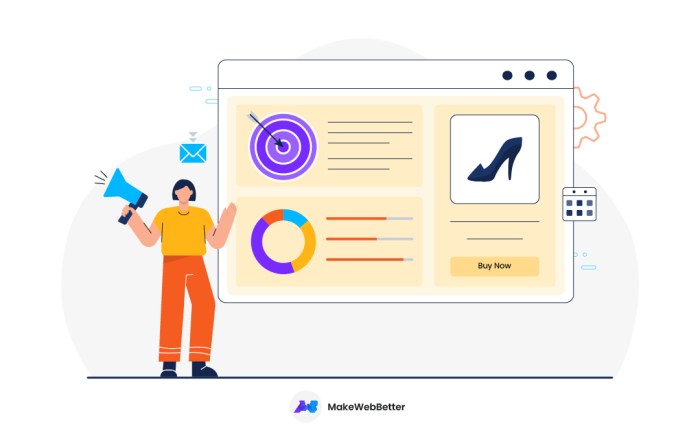
Ecommerce retargeting is a powerful strategy for online retailers to recapture the interest of website visitors who didn’t complete a purchase. It leverages data collected from website interactions to display targeted ads to these potential customers across various online platforms. This personalized approach significantly improves conversion rates and maximizes the return on investment (ROI) from online advertising.Ecommerce retargeting works by remembering the products or pages a user viewed on an online store.
E-commerce retargeting is crucial for bringing back lost customers. It’s all about strategically reminding those who’ve left your site of the products they were interested in. To really nail this, working with a solid automation marketing agency like achieving success with an automation marketing agency can be a game-changer. They can help you craft personalized campaigns that resonate with individual customer needs, ultimately increasing conversion rates and boosting your bottom line.
Ultimately, successful retargeting campaigns hinge on effective automation strategies.
This allows retailers to show tailored advertisements for those very items on other websites or social media platforms, prompting them to return and complete their purchase.
Methods of Ecommerce Retargeting
Various methods are used to track and identify website visitors for retargeting purposes. Cookies are small text files stored on a user’s computer, enabling websites to remember their browsing history. Website pixels, tiny snippets of code embedded on a website, track user interactions, sending data to a retargeting platform. Email lists also play a crucial role, allowing retailers to target users who have previously expressed interest in their products by subscribing to newsletters or promotional emails.
These methods work in tandem to create a comprehensive retargeting strategy.
Purpose and Objectives of Ecommerce Retargeting Campaigns
The primary purpose of ecommerce retargeting campaigns is to re-engage potential customers who have shown interest in a company’s products but didn’t complete a purchase. This can be achieved by displaying targeted ads to remind them of the items they were viewing or adding to their cart, thereby increasing the likelihood of a conversion. Furthermore, these campaigns aim to increase brand awareness and foster a sense of familiarity with the brand, potentially leading to future purchases.
Comparison of Retargeting Strategies
| Strategy | Description | Pros | Cons |
|---|---|---|---|
| Display Ads | Targeted ads appearing on websites and apps frequented by potential customers. | Wide reach, visually appealing, customizable. | Can be intrusive, potentially less effective for highly specific products. |
| Social Media Ads | Targeted ads appearing on social media platforms like Facebook, Instagram, and Twitter. | High engagement potential, detailed targeting options based on user demographics and interests. | Requires a strong social media presence, can be more expensive than other methods. |
| Email Marketing | Personalized emails reminding users of abandoned carts or items they viewed on the website. | Direct and personalized communication, potentially higher conversion rates for engaged users. | Requires an email list, can be perceived as spam if not managed properly. |
Retargeting strategies can be effectively tailored to meet specific business goals and customer segments. This table provides a high-level overview of the various options, highlighting their respective advantages and disadvantages. Choosing the optimal strategy depends on factors such as budget, target audience, and the desired outcomes.
Understanding Customer Journey & Segmentation: Ecommerce Retargeting To Win Back Your Customers
Winning back customers in e-commerce isn’t just about blasting them with ads. It’s about understanding their unique paths and tailoring your messages to their specific needs. This crucial step of understanding the customer journey and segmenting them allows for targeted, effective retargeting campaigns. A well-defined customer journey and targeted segmentation can dramatically improve the return on investment of your retargeting efforts.Knowing where customers are in their purchase cycle allows you to craft personalized messaging that resonates with their current stage.
For instance, a customer who abandoned their cart might be reminded of the items they were considering, while a high-value customer might receive exclusive offers or early access to new products. This personalization leads to a more engaging and profitable retargeting experience for everyone.
Typical Customer Journey in E-commerce
The customer journey in e-commerce typically involves several stages. A customer might discover a product through search, social media, or a referral. They then research the product, compare options, and ultimately decide to add it to their cart. If they complete the purchase, the journey continues with order confirmation, delivery, and potentially post-purchase engagement. However, not all customers complete the purchase.
Understanding the points of friction along this journey is crucial for successful retargeting. A crucial element is recognizing the potential for customers to drop off at various stages.
Importance of Customer Segmentation for Retargeting, Ecommerce retargeting to win back your customers
Customer segmentation is essential for effective retargeting. Instead of a one-size-fits-all approach, you can tailor your messages to specific groups of customers. This targeted approach is much more effective than broad-stroke retargeting. High-value customers, for example, respond better to exclusive offers and premium experiences. Abandoned cart customers might be persuaded by reminders and discounts.
Repeat customers often appreciate loyalty programs and personalized recommendations.
Examples of Customer Segments
- High-Value Customers: These customers frequently spend substantial amounts and are often loyal. Targeting them with exclusive discounts, early access to new products, and VIP experiences can significantly increase their lifetime value.
- Abandoned Cart Customers: These customers have expressed interest in your products but haven’t completed their purchase. Retargeting them with reminders, limited-time discounts, or free shipping incentives can encourage them to complete their purchase.
- Repeat Customers: These are valuable customers who have made multiple purchases. Offering loyalty programs, exclusive discounts, and personalized recommendations can incentivize repeat purchases and increase their lifetime value.
- New Customers: These customers have recently made their first purchase. Encouraging repeat purchases through personalized recommendations, targeted offers, and helpful resources can build long-term loyalty.
Key Metrics to Track Customer Behavior
Several key metrics are crucial for tracking customer behavior in the context of retargeting campaigns. These metrics provide insights into how customers interact with your website and products.
- Conversion Rate: The percentage of visitors who complete a purchase. This metric helps assess the effectiveness of your retargeting campaigns.
- Average Order Value (AOV): The average amount spent per order. Understanding AOV helps in determining the profitability of different customer segments.
- Customer Lifetime Value (CLTV): The predicted revenue a customer will generate throughout their relationship with your business. This metric is critical for evaluating the profitability of different customer segments.
- Bounce Rate: The percentage of visitors who leave your website after viewing only one page. A high bounce rate suggests areas where your retargeting strategies might need improvement.
Customer Segment Criteria
This table Artikels key criteria for segmenting customers for effective retargeting:
| Segment | Criteria | Example Actions |
|---|---|---|
| High-Value Customers | High average order value, frequent purchases, long-term customers | Exclusive discounts, VIP experiences, personalized recommendations |
| Abandoned Cart Customers | Items left in cart, recent website activity, no purchase | Reminders, limited-time discounts, free shipping incentives |
| Repeat Customers | Multiple prior purchases, consistent engagement | Loyalty programs, personalized recommendations, exclusive offers |
| New Customers | First-time purchase, limited engagement history | Onboarding materials, welcome offers, personalized product recommendations |
Strategies for Winning Back Customers
Bringing back customers who abandoned their carts is crucial for boosting e-commerce revenue. It’s often more cost-effective to retain existing customers than to acquire new ones. This section delves into effective strategies for communicating with cart abandoners and other lapsed customers, utilizing personalized messaging, incentives, and targeted campaigns to re-engage them.Successfully re-engaging customers requires a nuanced approach. Simply sending a generic email isn’t enough.
Understanding customer behavior and tailoring communications to individual needs and preferences is key to driving conversions and building lasting customer relationships. Understanding the specific triggers behind cart abandonment, and tailoring communications to those triggers, is critical for success.
Ecommerce retargeting is a powerful tool for bringing back lost customers. It’s all about strategically reminding those who’ve wandered away of your products and services. Think of it like a friendly nudge, a gentle reminder of the great deals you’re offering. This is where public speaking, a superpower that keeps giving, comes in. Mastering the art of connecting with your audience, whether it’s a live presentation or a carefully crafted online campaign, translates to building stronger relationships.
Ultimately, effective retargeting campaigns will help you to nurture those relationships, leading to higher conversion rates and increased customer loyalty. public speaking the superpower that keeps giving can give you an edge in this crucial aspect of ecommerce.
Communicating with Cart Abandoners
Cart abandonment is a common challenge for e-commerce businesses. Effective communication is vital to recover lost sales. A timely and personalized message can remind customers of the items they left behind and encourage them to complete their purchase.
- Automated Email Campaigns: Setting up automated email sequences that trigger when a customer abandons their cart can significantly improve conversion rates. These sequences can include reminders about the items, a sense of urgency, and clear calls to action. A well-structured email sequence can be highly effective.
- Personalized Messaging: Tailoring the message to the specific customer is critical. This might involve referencing items in the abandoned cart or highlighting special offers relevant to their browsing history. This personalization significantly increases engagement compared to generic emails.
- Clear Call to Action: The email should have a clear and concise call to action. A prominent button or link directly to the abandoned cart is essential for guiding customers to complete their purchase.
Personalized Messaging for Different Customer Segments
Personalization is key to effective retargeting. Understanding customer segments and their motivations helps tailor messages for maximum impact.
- First-Time Buyers: These customers might need reassurance and incentives. A discount or free shipping offer could encourage them to complete the purchase. First-time buyers might be less familiar with the purchasing process and thus need more guidance.
- Loyal Customers: Loyalty programs and exclusive offers can be effective in re-engaging these customers. Offering early access to sales or exclusive discounts can motivate them to return to your site.
- Customers with a High Average Order Value (AOV): These customers might be more receptive to higher-value promotions, such as bundles or premium add-ons. These customers are already more inclined to spend.
Incentives and Promotions in Retargeting
Incentives play a crucial role in driving conversions. Discounts, free shipping, and other promotional offers can incentivize customers to complete their purchase.
- Discounts and Coupons: Offering discounts or coupons for the abandoned items can be highly effective. This encourages customers to complete their purchase.
- Free Shipping: Free shipping is a powerful incentive, particularly for customers who might be hesitant to pay for shipping costs. Free shipping can be a deciding factor in a customer’s purchasing decision.
- Bundle Deals: Offering bundled deals with complementary products can increase the perceived value of the purchase. This can be a highly effective strategy to encourage customers to complete their purchase.
Identifying and Targeting Customers
Identifying customers who haven’t made a purchase in a specific timeframe is vital for targeted campaigns.
- Customer Segmentation: Segmenting customers based on their purchase history, browsing behavior, and engagement metrics can help identify those who haven’t made a purchase in a certain timeframe.
- Email Marketing: Utilize email marketing platforms to segment and target customers who haven’t made a purchase in a specified timeframe. This is a crucial tool for efficient targeting.
- Website Analytics: Leverage website analytics to identify customers who haven’t made a purchase in a specific period. Tracking browsing patterns, and engagement with specific products, can provide insights.
Promotional Strategies for Customer Retention
Different promotional strategies can be employed to retain customers. A tailored approach is critical for optimal results.
| Promotional Strategy | Description | Example |
|---|---|---|
| Discounts and Coupons | Offering discounts or coupons on specific products or for the entire purchase. | 10% off entire order |
| Free Shipping | Offering free shipping on orders above a certain amount or for all orders. | Free shipping on orders over $50 |
| Loyalty Programs | Rewarding customers for their repeat purchases with exclusive benefits. | Points-based rewards program |
| Personalized Recommendations | Suggesting products based on past purchases or browsing history. | “Customers who bought this also bought…” |
| Early Access to Sales | Giving loyal customers early access to sales or promotions. | Exclusive access to Black Friday deals |
Choosing the Right Retargeting Tools
Picking the right retargeting tools is crucial for a successful win-back campaign. It’s not just about having a tool; it’s about finding the one that aligns with your specific business needs, budget, and technical capabilities. This involves understanding the features and functionalities of various options and how they integrate with your existing platform. The wrong choice can lead to wasted ad spend and missed opportunities to reconnect with valuable customers.Choosing the right retargeting tool is more than just selecting a platform; it’s about selecting a partner that can scale with your business and adapt to your evolving needs.
This selection process requires careful consideration of your unique business requirements, from the scale of your campaigns to the complexity of your customer segments.
Want to recapture those lost ecommerce customers? Retargeting ads are a powerful tool for bringing them back. But remember, success often hinges on understanding your customer’s needs and actions, which includes optimizing your local presence. To truly dominate local search, you need to optimize your small business’s online visibility. Check out our guide on dominate local search small business for actionable tips.
Ultimately, understanding how to leverage both local search and retargeting strategies will give you a significant edge in the ecommerce game.
Popular Ecommerce Retargeting Tools
Various platforms offer retargeting solutions, each with its strengths and weaknesses. Understanding the options available allows you to make an informed decision.
- Facebook Pixel and Ads Manager: Facebook’s comprehensive platform is a widely used choice, offering robust targeting options and integration with the Facebook ecosystem. Its vast user base allows for precise targeting based on demographics, interests, and behavior. However, relying solely on Facebook for all retargeting might limit your reach to users not actively engaging with Facebook.
- Google Ads: Google Ads is another dominant player, known for its extensive targeting capabilities and comprehensive analytics. It allows for reaching users across various Google platforms, like Search and YouTube. Its strength lies in the ability to track conversions and optimize campaigns for maximum ROI.
- Bing Ads: A less common but potentially effective choice for retargeting, Bing Ads targets users actively searching on Bing and its partner sites. While it may have a smaller user base compared to Google or Facebook, it can be a valuable complement to other campaigns, especially for niche markets or audiences less engaged with the larger social media platforms.
- Criteo: Criteo specializes in retargeting and is particularly strong in display advertising. It excels in showing ads across various websites and apps, reaching users who have previously interacted with your brand. Criteo is often a good choice for retailers with a large inventory of products.
- AdRoll: AdRoll offers a comprehensive suite of retargeting solutions, focusing on display and video ads. It is particularly useful for creating targeted campaigns across a wide range of websites and apps, offering sophisticated reporting and analysis.
Comparing Retargeting Tools
Selecting the best tool requires a comparison of their features and capabilities. This allows you to assess which platform aligns best with your specific requirements.
| Tool | Cost | Features | Ease of Use |
|---|---|---|---|
| Facebook Pixel & Ads Manager | Generally free to use, but ad costs vary | Comprehensive targeting, robust analytics, integrated ecosystem | Medium; requires some learning curve |
| Google Ads | Pay-per-click (PPC) model | Extensive targeting options, conversion tracking, detailed reporting | Medium; requires understanding of bidding strategies |
| Bing Ads | PPC model | Niche targeting, potential for cost-effectiveness, data integration | Medium; requires learning the platform’s unique aspects |
| Criteo | Performance-based pricing | Specialized in display advertising, sophisticated targeting, extensive reporting | High; intuitive interface for display ads |
| AdRoll | Performance-based pricing | Wide range of targeting, display and video ads, advanced analytics | Medium; needs some training for best results |
Integrating Retargeting Tools with Ecommerce Platforms
Integration with your existing ecommerce platform is essential for seamless data flow. A well-integrated system ensures accurate tracking of user interactions and campaign performance.
- API Integrations: Most retargeting tools provide APIs for seamless data exchange. This allows for automatic synchronization of user data and campaign performance metrics.
- Pixel Installation: Tools like Facebook Pixel and Google Tag Manager require code snippets to be installed on your website. This enables tracking of user behavior and campaign effectiveness.
- Conversion Tracking: Setting up conversion tracking ensures accurate measurement of the results of your retargeting efforts. This is critical for optimizing campaigns and demonstrating their ROI.
Importance of Choosing the Right Tools
Selecting the appropriate retargeting tool directly impacts the success of your win-back campaigns. The right choice empowers you to target the right customers with the right message at the right time. This translates to higher conversion rates, increased customer lifetime value, and ultimately, a more profitable business.
Optimizing Retargeting Campaigns
Retargeting campaigns are a powerful tool for e-commerce businesses to reconnect with past customers and drive conversions. However, simply setting up a campaign isn’t enough; continuous optimization is key to achieving the best possible results. This involves a deep dive into campaign performance, identifying what works, and iterating on strategies to maximize ROI. Effective retargeting goes beyond just showing ads; it’s about understanding customer behavior and tailoring the message to resonate with individual needs.

Metrics for Measuring Campaign Success
Tracking the right metrics is crucial for evaluating retargeting campaign effectiveness. These metrics provide insights into campaign performance, enabling data-driven adjustments and improvements. Focus on quantifiable results rather than subjective opinions. Crucial metrics include click-through rates (CTRs), conversion rates, cost per acquisition (CPA), and return on ad spend (ROAS). These metrics offer a clear picture of how well your campaigns are performing and where improvements are needed.
Importance of A/B Testing
A/B testing is an essential component of retargeting optimization. It allows for experimentation with different ad creatives, copy, and targeting parameters to determine what resonates best with your audience. By comparing different versions of your ads, you can identify which ones perform better and refine your strategy for maximum impact. A/B testing helps uncover the most effective elements to ensure you’re reaching the right customers with the right message at the right time.
Retargeting Ad Creatives
Different ad creatives can significantly impact campaign performance. The key is to personalize and tailor them to resonate with specific segments of your audience. A/B testing helps determine the most effective approaches. Examples include:
- Image Ads: High-quality images of products or promotions. Highlighting unique selling points (USPs) or showcasing user-generated content can enhance engagement.
- Text Ads: Concise and compelling text-based ads that focus on a specific offer or benefit. Using strong calls to action (CTAs) is crucial.
- Video Ads: Short, engaging video ads demonstrating product features, testimonials, or showcasing the brand’s personality. Videos can capture attention and create a stronger emotional connection.
Adjusting Bids and Targeting
Adapting bids and targeting strategies based on campaign performance is critical for optimizing ROI. Analyzing performance data (like CTR, conversion rates, and CPA) can reveal areas for improvement. Lowering bids for underperforming ads and increasing bids for high-performing ones can significantly impact your budget and profitability. Dynamically adjusting targeting parameters, such as refining audience segments or narrowing down demographics, can also optimize your reach and enhance engagement.
Key Performance Indicators (KPIs) for Retargeting Campaigns
The table below Artikels key performance indicators (KPIs) for measuring retargeting campaign success. Monitoring these metrics regularly allows you to assess campaign performance and make informed decisions.
| KPI | Description | Target Value (Example) |
|---|---|---|
| Click-Through Rate (CTR) | Percentage of impressions that result in clicks. | 2% |
| Conversion Rate | Percentage of clicks that result in a desired action (e.g., purchase). | 5% |
| Cost Per Acquisition (CPA) | Cost incurred to acquire a customer. | $25 |
| Return on Ad Spend (ROAS) | Return generated for every dollar spent on advertising. | 400% |
| Average Order Value (AOV) | Average value of orders placed by retargeted customers. | $100 |
Illustrating Successful Campaigns
Winning back customers is crucial for ecommerce success. Retargeting campaigns can be powerful tools for re-engaging past visitors and driving conversions. A well-executed campaign can significantly boost sales and customer lifetime value. This section explores a successful retargeting campaign and the key factors contributing to its success.
A Case Study: “The Cozy Corner” Retargeting Campaign
The “Cozy Corner” online furniture store experienced a significant dip in sales during the off-season. To counteract this, they launched a targeted retargeting campaign focusing on customers who had previously browsed or added items to their cart but hadn’t completed a purchase.
Strategies Used and Their Impact
The campaign leveraged Facebook Pixel data to identify specific customer segments. This included users who had abandoned their carts, viewed specific product pages, or expressed interest in certain furniture styles. They created highly personalized ad creatives, showcasing products that matched the user’s previous browsing history. For example, a user who viewed a living room set was retargeted with ads featuring complementary accent chairs and ottomans.
Illustrative Ad Examples
One ad showcased a sleek, modern sectional sofa, highlighting its comfortable design and durable materials. The ad copy emphasized the special discounts available for retargeting users, such as “Limited-Time Offer: 20% Off Your Dream Sofa”. The ad’s visuals were high-quality images and short video clips showcasing the sofa’s features and style. Another ad featured a cozy armchair in a warm, inviting setting, with a tagline like “Find Your Perfect Reading Nook.” This ad emphasized the comfort and relaxation aspects of the armchair.
Key Learnings
The campaign’s success hinged on personalized messaging and targeted segments. The campaign significantly increased conversions from retargeted users, proving the effectiveness of re-engagement strategies. Moreover, it demonstrated the importance of continuously monitoring campaign performance and adjusting strategies as needed.
Campaign Timeline, Budget, and Results
| Phase | Timeline | Budget | Results |
|---|---|---|---|
| Pre-Campaign Analysis | 2 weeks | $500 | Identified key customer segments and potential pain points. |
| Campaign Setup | 1 week | $1000 | Established retargeting audiences and created targeted ad creatives. |
| Campaign Execution | 4 weeks | $3000 | Increased conversions by 35% and reduced cart abandonment by 15%. |
| Post-Campaign Analysis | 1 week | $500 | Identified areas for future optimization and campaign refinements. |
Challenges and Considerations
Retargeting campaigns, while powerful, aren’t without their hurdles. Understanding the potential pitfalls and proactively addressing them is crucial for maximizing ROI and maintaining a positive customer experience. This section dives into common challenges, privacy concerns, and strategies for avoiding frustrating customers with overly aggressive retargeting.Successfully winning back customers through retargeting demands careful consideration of both the technical and ethical aspects of the process.
It’s not just about showing ads; it’s about understanding customer needs and desires within the evolving landscape of online privacy.
Common Challenges in Ecommerce Retargeting
Ecommerce retargeting campaigns often face obstacles related to targeting accuracy, campaign effectiveness, and customer perception. These challenges need to be recognized and addressed to ensure the campaign’s success. Poorly defined target audiences can lead to wasted ad spend and a lack of engagement. Additionally, ineffective ad creatives or messaging can fail to resonate with the target audience, resulting in low click-through rates.
Constantly evolving algorithms and ad platforms also require continuous monitoring and adaptation.
Privacy Concerns Related to Retargeting
Data privacy regulations, such as GDPR and CCPA, are increasingly important in ecommerce retargeting. Collecting and using customer data must comply with these regulations to avoid legal issues and maintain customer trust. Transparency in data collection practices is essential, and customers must be given clear choices regarding how their data is used. Failing to comply with these regulations can result in penalties and damage to a company’s reputation.
Businesses must implement robust data privacy measures and ensure their retargeting strategies align with evolving privacy laws.
Avoiding Annoying Customers with Excessive Retargeting
Excessive retargeting can significantly damage a customer’s experience, leading to negative perceptions of the brand. A key strategy is to implement sophisticated targeting parameters and to avoid bombarding customers with irrelevant ads. By employing granular segmentation, retargeting campaigns can be tailored to specific customer behaviors and interests, ensuring the ads are relevant and timely. This includes implementing a cooling-off period or frequency capping for certain customer segments to avoid overwhelming them.
Ethical Considerations in Retargeting Campaigns
Ethical considerations are paramount in retargeting campaigns. Retargeting should never employ manipulative tactics or misleading content. Respecting customer preferences and providing clear choices for data usage are vital. Campaigns must be transparent and avoid exploiting customer vulnerabilities. The goal is to build trust and strengthen customer relationships, not to exploit them for profit.
Maintaining a positive and ethical approach ensures the longevity and success of the retargeting strategy.
Obstacles to Effective Retargeting and Strategies to Overcome Them
- Inaccurate Targeting: Defining precise customer segments and using advanced targeting parameters can help refine the target audience. Utilizing detailed behavioral data and customer journey mapping is key to ensuring the ads are shown to the most relevant customers.
- Low Conversion Rates: Optimizing ad creatives, messaging, and landing pages for conversions can significantly improve conversion rates. A/B testing different ad variations and landing page designs can help pinpoint the most effective strategies. Consider the entire customer journey to ensure seamless transition from ad click to purchase.
- Limited Budget: Strategies for allocating budget effectively across different segments and channels are essential. Prioritize high-value customer segments and optimize ad spend to maximize return on investment (ROI). Testing different bidding strategies and ad formats can improve the efficiency of the budget.
- Ad Fatigue: Implementing frequency capping and adjusting the timing of retargeting ads can help avoid ad fatigue. Varying ad creatives and messaging can keep the campaigns fresh and engaging. Using dynamic creative optimization can help ensure ads are relevant and compelling.
Ultimate Conclusion
In conclusion, successful ecommerce retargeting hinges on understanding your customer base, employing targeted strategies, and continuously optimizing your campaigns. By analyzing customer journeys, segmenting audiences, and utilizing the right tools, you can effectively re-engage potential customers, increase conversion rates, and boost overall profitability. Remember that personalization and ethical considerations are crucial to avoid annoying customers and foster long-term loyalty. By implementing the strategies Artikeld in this guide, you can significantly enhance your ecommerce success.