



Is better service your firms competitive advantage – Is better service your firm’s competitive advantage? Absolutely! Exceptional service isn’t just a nice-to-have; it’s a cornerstone of success in today’s market. This exploration dives deep into how superior service, meticulously measured and strategically integrated, can propel your business to new heights. We’ll examine the crucial link between service excellence, customer experience, and lasting competitive edge.
From defining the essence of competitive advantage in the service sector to crafting strategies that embed exceptional service throughout your operations, we’ll cover a range of critical topics. We’ll dissect how to measure service quality, use feedback to refine your approach, and adapt your strategies to the ever-evolving demands of your customers and the market.
Defining Competitive Advantage Through Service

Superior service isn’t just a nice-to-have; it’s a cornerstone of sustainable success in today’s competitive landscape. In the realm of business services, a strong focus on customer experience can be a powerful engine for growth and a critical differentiator. Exceptional service goes beyond simply meeting expectations; it anticipates needs and creates lasting relationships. This approach not only attracts new customers but also fosters loyalty and advocacy, building a robust foundation for long-term profitability.A competitive advantage in the service industry hinges on providing consistently high-quality service that surpasses customer expectations.
Providing superior customer service is undeniably a crucial element for any firm’s competitive edge. A key aspect of this, often overlooked, is ensuring a seamless user experience, even when handling website redirects. Implementing proper JavaScript redirects and SEO best practices, like those detailed on javascript redirects and seo , can dramatically impact user experience and search engine rankings.
Ultimately, prioritizing exceptional service, including robust website functionality, will solidify your firm’s position in the market.
This involves a deep understanding of customer needs, proactive problem-solving, and a commitment to continuous improvement. Businesses that prioritize service excellence often see a significant return on investment through increased customer retention, positive word-of-mouth referrals, and a stronger brand reputation.
Superior service is absolutely key to a firm’s competitive edge. Knowing how to effectively track website traffic and user behavior is crucial for optimizing those services. Learning the ropes of Google Tag Manager (GTM) can be a game-changer, and this helpful guide provides a simple introduction for beginners: google tag manager gtm an easy guide for newbies.
Ultimately, a well-oiled service delivery system, empowered by tools like GTM, is a powerful weapon in the modern business battlefield.
Defining Competitive Advantage in Service
A competitive advantage in the service industry is the ability to consistently deliver superior service that customers value more than competitors offer. This advantage stems from a unique combination of factors, including the quality of service, the efficiency of service delivery, and the responsiveness to customer needs. A company with a service-based competitive advantage will often command premium prices and maintain a loyal customer base.
Key Elements of Superior Service
Exceptional service transcends mere efficiency; it involves a holistic approach that encompasses several crucial elements. These elements include empathy, responsiveness, and proactive problem-solving. Empathetic service understands and anticipates customer needs, responding to them with genuine care. Responsiveness involves prompt and effective communication and actions in addressing customer issues. Proactive problem-solving involves anticipating potential issues and addressing them before they escalate into major problems.
Examples of Exceptional Service as a USP
Exceptional service can be a powerful unique selling proposition (USP). Consider a tech support company that not only resolves technical issues quickly but also provides personalized guidance and proactive maintenance recommendations. This proactive approach builds customer loyalty and trust, setting them apart from competitors who only address immediate problems. Similarly, a financial advisor who takes the time to understand a client’s financial goals and proactively suggests investment strategies tailored to their needs creates a unique value proposition.
Service-Based Competitive Advantages
Businesses can leverage various service-based competitive advantages to stand out in the market. These advantages encompass a range of strategies, including specialized expertise, personalized service, and streamlined processes.
- Specialized Expertise: A company specializing in a niche service area, like complex software implementation, can offer unparalleled expertise and detailed knowledge, leading to high-quality service that competitors struggle to match. This specialized expertise can be a powerful tool in differentiating the company and building a strong reputation.
- Personalized Service: Tailoring the service to individual customer needs and preferences can significantly enhance customer satisfaction. This personalization can be achieved by understanding customer requirements and tailoring the service experience to meet those specific needs.
- Streamlined Processes: Efficient and streamlined service delivery processes contribute significantly to a positive customer experience. Businesses can gain a competitive edge by optimizing their service delivery channels and procedures, minimizing wait times and maximizing efficiency.
Sustainable Competitive Edge Through Service Quality
Service quality isn’t just a fleeting trend; it’s a cornerstone of long-term success. A company that consistently delivers high-quality service builds a reputation for reliability and trustworthiness. This, in turn, attracts and retains loyal customers, creating a sustainable competitive advantage. Moreover, focusing on service quality fosters employee satisfaction, leading to higher productivity and better service outcomes. The importance of consistent service quality is paramount for building a sustainable competitive edge in the long term.
Measuring and Assessing Service Excellence
Understanding service excellence isn’t just about feeling good; it’s about quantifying and improving the customer experience. Effective measurement allows businesses to pinpoint strengths and weaknesses, adapt strategies, and ultimately, deliver superior service that fosters loyalty and growth. This involves a multifaceted approach, encompassing customer feedback, data analysis, and a deep understanding of diverse customer segments.To truly excel, a business needs to move beyond anecdotal evidence and embrace rigorous measurement.
This allows for a more precise understanding of customer needs, service delivery effectiveness, and the impact of various initiatives. This process also helps identify areas for improvement and allows businesses to track the progress of their service excellence programs.
Service Quality Metrics
A critical aspect of measuring service excellence is defining and tracking relevant metrics. These metrics provide tangible data to assess the quality of service delivery and identify areas needing attention. Key metrics might include response time, resolution time, customer satisfaction scores, and customer retention rates.
Customer Feedback Collection Methods
Gathering customer feedback is essential for understanding the customer experience. Various methods can be used, including surveys, online reviews, social media monitoring, and feedback forms. Surveys should be designed with specific questions to gather relevant information, and analysis should be tailored to the specific goals of the company. Social media monitoring tools can identify trends and patterns in customer sentiment.
By using multiple channels for feedback collection, a business can gather a comprehensive picture of customer opinions and concerns.
Framework for Measuring Service Satisfaction
To effectively gauge service satisfaction across diverse customer segments, a structured framework is crucial. This framework should consider factors such as demographics, purchase history, and service interaction frequency. Customer segments can be categorized by factors like age, location, product usage, and interaction channels. A key aspect is to tailor the measurement methods to the specific needs of each segment.
For instance, feedback collection methods for younger customers might differ from those used for long-term clients.
Data Analysis and Reporting
Once data is collected, analysis is paramount. Identifying service strengths and weaknesses is facilitated by organizing data into clear visualizations, such as charts and graphs. This helps in recognizing trends and patterns. For example, a significant drop in customer satisfaction scores for a particular service channel might highlight a need for staff training or process improvement. Analysis must be followed by action.
A common mistake is gathering data without using it to make changes. A crucial aspect of data analysis is to identify the root cause of any issues. This often involves looking at multiple data points and cross-referencing information from various sources.
Table of Service Quality Metrics and Measurement Tools
| Service Quality Metric | Measurement Tool | Description |
|---|---|---|
| Customer Satisfaction Score (CSAT) | Surveys, feedback forms | Measures overall customer satisfaction with a specific service. |
| Customer Effort Score (CES) | Surveys | Assesses the ease and effort required for customers to interact with the service. |
| Net Promoter Score (NPS) | Surveys | Gauges customer loyalty and willingness to recommend the service to others. |
| First Contact Resolution (FCR) | Customer service records | Percentage of customer issues resolved during the initial interaction. |
| Average Handling Time (AHT) | Call logs, support tickets | Average time taken to resolve a customer interaction. |
Service as a Differentiator
Exceptional service is no longer a nice-to-have, but a crucial differentiator in today’s competitive landscape. Customers are increasingly discerning, demanding more than just a product or service; they seek experiences that build trust, foster loyalty, and ultimately, drive brand preference. Understanding how to leverage service as a competitive advantage is paramount for firms aiming to thrive in the market.Companies that excel at service go beyond the minimum requirements.
They anticipate customer needs, proactively address potential issues, and consistently demonstrate a genuine commitment to satisfaction. This proactive approach fosters a strong emotional connection with customers, transforming transactions into lasting relationships. This emotional connection translates into tangible business results, like increased customer lifetime value and positive word-of-mouth referrals.
How Service Sets a Firm Apart
Service differentiates a firm by exceeding customer expectations. It’s not just about meeting basic needs but exceeding them, anticipating problems before they arise, and providing solutions tailored to individual customer circumstances. Companies that excel at service create a unique value proposition that resonates with customers and fosters a strong sense of loyalty. This unique value proposition becomes a competitive advantage, as it sets the firm apart from competitors that focus primarily on product features or price.
Examples of Companies with Exceptional Service
Numerous companies have successfully used exceptional service to achieve a competitive edge. For instance, Zappos, a leading online shoe retailer, is renowned for its exceptional customer service. Their commitment to exceeding customer expectations, from personalized interactions to flexible return policies, has solidified their position in the market. Similarly, Ritz-Carlton Hotels have a reputation for unparalleled hospitality. Their dedication to exceeding guest expectations, from personalized service to proactive problem-solving, creates an unforgettable experience that fosters brand loyalty.
These examples demonstrate how exceptional service can translate into a significant competitive advantage.
Service Quality and Customer Loyalty
A direct correlation exists between service quality and customer loyalty. High-quality service builds trust and strengthens customer relationships, leading to greater customer retention. Conversely, poor service quality can damage brand reputation and drive customers to competitors. Companies that prioritize service excellence cultivate a loyal customer base that becomes a strong advocate for the brand. This translates into repeat business, positive word-of-mouth referrals, and a significant return on investment.
Service Differentiation and Brand Perception
Service differentiation profoundly impacts brand perception. Exceptional service creates a positive brand image, fostering trust and credibility. This positive perception influences customer purchasing decisions and enhances brand reputation. A strong brand reputation, in turn, attracts new customers, increases brand awareness, and ultimately, drives business growth. Customers are more likely to choose a brand with a strong reputation for exceptional service, even if competing products have comparable features or prices.
Understanding Customer Needs and Expectations
Understanding customer needs and expectations is crucial for delivering exceptional service. This involves actively listening to customer feedback, analyzing customer interactions, and leveraging data to gain insights into their preferences. Companies that employ these methods can tailor their service offerings to meet specific customer requirements. Through comprehensive customer relationship management (CRM) systems, companies can collect valuable data on customer interactions and preferences, enabling them to personalize service and exceed expectations.
Market research, customer surveys, and feedback mechanisms can also provide crucial insights into customer needs and expectations.
Service-Driven Business Strategies
Exceptional service is no longer a competitive advantage; it’s a necessity. In today’s hyper-competitive marketplace, businesses must go beyond simply meeting customer expectations and strive for exceeding them consistently. This requires a fundamental shift in mindset, transforming service from a department to a core business strategy woven into every facet of operations. This section will delve into specific strategies for achieving this transformation.A service-driven business strategy prioritizes customer satisfaction as the driving force behind all decisions.
It’s not just about offering a product or a service; it’s about cultivating a culture of empathy, responsiveness, and continuous improvement to build enduring customer relationships. This approach fosters loyalty, positive word-of-mouth referrals, and ultimately, sustainable growth.
Strategies for Incorporating Exceptional Service
A comprehensive service-driven strategy requires a holistic approach, integrating service excellence into all aspects of the business. This means embedding service principles in every interaction, from initial contact to post-purchase support. From the front-line employee to the CEO, everyone needs to understand and embody the service philosophy.
- Customer-centricity: Every decision should prioritize the customer’s needs and experiences. Understanding customer pain points and proactively addressing them is crucial. For instance, a company might analyze customer feedback and implement changes to improve their online ordering process.
- Employee empowerment: Employees need the authority and resources to resolve customer issues quickly and effectively. This empowerment is a powerful driver of exceptional service. For example, granting employees the ability to issue refunds or offer discounts based on the specific situation empowers them to provide immediate solutions and foster customer satisfaction.
- Cross-functional collaboration: Service excellence isn’t limited to a single department. All departments must work together to ensure a seamless and consistent customer experience. For instance, sales, marketing, and customer service teams should collaborate to gather customer feedback and incorporate it into product development.
- Continuous improvement: Service quality should be continuously monitored and evaluated. Regular feedback mechanisms, including surveys and customer interviews, are essential to identify areas for improvement. For instance, a company could track customer service response times and implement training programs to reduce wait times.
Importance of Employee Training and Empowerment
Highly trained and empowered employees are the cornerstone of a service-driven business. Investing in their development is a significant investment in customer satisfaction. Empowerment means granting employees the autonomy to make decisions that benefit customers, within defined parameters.
- Comprehensive Training Programs: Training programs should cover product knowledge, service protocols, conflict resolution techniques, and customer interaction strategies. Regular refresher courses can reinforce knowledge and adapt to evolving customer expectations.
- Clear Service Standards and Protocols: Establish clear guidelines and protocols that ensure consistency across all service interactions. Providing employees with a script to follow when dealing with customer complaints, for instance, is a good example.
- Decision-Making Authority: Empower employees to handle customer issues directly, without needing constant escalation. This fosters faster resolutions and demonstrates a commitment to customer needs. A clear escalation path is crucial for complex situations.
- Recognition and Rewards: Recognizing and rewarding employees who consistently provide exceptional service creates a positive and motivating work environment. Incentivize the behaviors that align with service excellence.
Ensuring Consistent Service Delivery Across Channels
A multi-channel approach requires a unified strategy to ensure a consistent customer experience, regardless of the touchpoint. Inconsistencies across different channels can undermine the entire service strategy.
- Standardized Processes: Establish clear processes for handling customer interactions across all channels, whether it’s in-person, online, or via phone. This ensures that the same level of service is delivered regardless of how a customer chooses to interact.
- Integrated Customer Relationship Management (CRM) Systems: Use CRM systems to centralize customer data and provide employees with a complete view of each customer’s interactions. This allows for personalized and consistent service.
- Cross-Channel Communication: Implement systems that enable seamless communication between different service channels. This is vital to ensure that information is shared efficiently, and customers feel connected across all touchpoints.
- Customer Feedback Collection and Analysis: Collect and analyze customer feedback across all channels to identify areas for improvement. This provides valuable insights into how to enhance the customer experience.
Examples of Service-Driven Businesses
Many companies have successfully integrated service excellence into their core business strategies.
- Zappos: Known for its exceptional customer service, Zappos empowers employees to exceed customer expectations.
- Southwest Airlines: Emphasizes customer service in every aspect of its operations, from flight attendants to baggage handlers.
- Starbucks: Creates a welcoming and personalized experience for each customer, consistently.
Service Delivery Models Comparison
| Service Delivery Model | Advantages | Disadvantages |
|---|---|---|
| In-Person | Immediate interaction, personalized service, opportunity for building rapport | Limited reach, potentially higher cost per interaction, scheduling constraints |
| Online | 24/7 availability, broader reach, cost-effective | Potential for impersonal interactions, difficulties in addressing complex issues, security concerns |
| Hybrid | Combines advantages of both in-person and online, personalized service with efficiency | Requires careful integration of both models to avoid inconsistencies, can be more complex to manage |
Service Excellence and Customer Experience: Is Better Service Your Firms Competitive Advantage
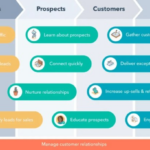
Superior service isn’t just about ticking boxes; it’s about creating a truly positive customer experience. A seamless and enjoyable interaction fosters loyalty and advocacy, ultimately driving business growth. This goes beyond simply fulfilling orders or resolving issues; it’s about anticipating needs, exceeding expectations, and building lasting relationships. Customer experience is now a critical differentiator in a competitive marketplace.A company’s ability to deliver service excellence directly impacts customer lifetime value (CLTV).
Positive experiences encourage repeat business, referrals, and ultimately, a higher lifetime value for each customer. This means not just focusing on the initial sale, but on cultivating long-term relationships built on trust and satisfaction.
The Link Between Superior Service and a Positive Customer Experience
Superior service is the foundation of a positive customer experience. When customers feel valued, understood, and heard, they are more likely to have a positive interaction. This includes personalized interactions, efficient problem-solving, and proactive communication. A positive experience goes beyond simply fulfilling needs; it creates an emotional connection with the brand.
Exceptional customer service is undeniably a powerful competitive edge. However, a poorly designed website, riddled with the 21 traits detailed in this insightful article ( 21 traits of poorly designed websites ), can easily negate all those service efforts. Ultimately, seamless online experiences, mirroring great customer service, are critical for any firm’s success.
How Service Excellence Enhances Customer Lifetime Value
Service excellence is crucial for enhancing customer lifetime value (CLTV). Satisfied customers are more likely to return for repeat business, and they become brand advocates. Positive word-of-mouth referrals are invaluable for acquiring new customers. Excellent service fosters loyalty and trust, leading to higher CLTV figures. Companies that prioritize service excellence are investing in their future by building lasting customer relationships.
Identifying and Addressing Customer Pain Points Related to Service
Understanding customer pain points is crucial for service improvement. This involves actively collecting feedback through surveys, reviews, and direct communication. Listening to customer complaints and concerns provides valuable insights into areas needing improvement. Analyzing this feedback helps pinpoint specific pain points and tailor solutions for a better customer experience. This proactive approach helps prevent negative experiences from escalating.
Service Recovery Strategies
Effective service recovery strategies are essential for mitigating negative experiences. A sincere apology, a prompt resolution, and a focus on preventing future issues are key components. Offering a tangible compensation (e.g., discount, free product) can further demonstrate a commitment to customer satisfaction. Companies that excel at service recovery demonstrate a willingness to learn from mistakes and adapt to improve.
For example, a delayed delivery can be compensated with a discount on the next order, and a faulty product with a replacement or refund.
Customer Service Touchpoints and Optimization Strategies, Is better service your firms competitive advantage
| Customer Service Touchpoint | Strategies for Optimization |
|---|---|
| Website/Online Ordering | Ensure clear and concise information, readily available FAQs, and easy navigation. Implement live chat or chatbot support for immediate assistance. |
| Phone Support | Train representatives to handle inquiries and complaints efficiently and empathetically. Provide clear scripts and guidelines for handling common issues. Offer options for different support channels (email, live chat). |
| Email Support | Respond promptly to emails, addressing concerns thoroughly. Ensure clear communication and provide helpful resources. Implement an automated system for acknowledging receipt of emails. |
| Social Media | Monitor social media channels for customer feedback and complaints. Respond promptly and professionally. Address issues directly and publicly. Engage in proactive communication with followers. |
| In-Person Support (Stores/Showrooms) | Ensure knowledgeable and friendly staff are available to assist customers. Provide a welcoming environment and efficient processes for handling inquiries. Offer a variety of support options to cater to different customer needs. |
Adapting Service to Market Trends
Staying ahead of the curve is crucial in today’s dynamic market. Customers are constantly evolving their needs and preferences, and businesses must adapt their service offerings to remain competitive. This requires a proactive approach, anticipating future demands and embracing new technologies to enhance the customer experience. Successfully adapting services not only maintains a competitive edge but also fosters customer loyalty and drives revenue growth.Service offerings are not static entities; they are living, breathing aspects of a business.
To thrive, companies must recognize the constant shift in customer expectations and industry standards. This requires a deep understanding of current trends, an ability to predict future shifts, and a willingness to pivot service strategies accordingly. Ignoring these shifts can lead to a decline in customer satisfaction, market share loss, and ultimately, business failure.
Evolving Customer Needs and Preferences
Businesses must understand the factors driving changes in customer preferences. These include demographic shifts, economic conditions, technological advancements, and societal values. A key component is understanding how these factors influence the type of service customers desire. For example, younger generations often prioritize convenience and personalized experiences, while older generations might favor traditional methods and reliability.
Staying Ahead of Industry Trends
Staying ahead of industry trends is essential for maintaining a competitive edge. Observing emerging technologies, customer preferences, and industry best practices can help companies anticipate shifts and develop proactive strategies. Constant monitoring of industry publications, attending industry events, and engaging with industry experts are crucial for maintaining a forward-thinking perspective. For example, the rise of mobile payment systems has forced companies to adapt their payment processing methods.
Successful Service Adaptation Examples
Many companies have successfully adapted their services to maintain a competitive advantage. Netflix, for instance, transitioned from a DVD rental service to a streaming platform, responding to the evolving entertainment preferences of consumers. Similarly, Amazon has continuously expanded its product offerings and service delivery methods, adapting to the ever-changing needs of online shoppers.
Emerging Technologies for Improved Service Delivery
Several emerging technologies can improve service delivery. Artificial intelligence (AI) can automate tasks, personalize interactions, and provide 24/7 support. Chatbots can handle customer inquiries, providing instant responses and resolving issues quickly. Big data analytics can provide insights into customer behavior, allowing businesses to tailor their services and personalize the customer journey.
Anticipating Future Customer Demands
Anticipating future customer demands requires careful consideration of emerging trends. By analyzing historical data, market research, and customer feedback, companies can gain insights into potential future needs and preferences. Focus groups and surveys can offer valuable information about how customers perceive current services and anticipate how they might evolve in the future. Companies should continuously assess and adapt to these future demands.
Maintaining a Competitive Advantage

Building a service-centric business isn’t a one-and-done project. Maintaining a consistent level of excellence, adapting to market shifts, and continuously improving are crucial for long-term success. This requires a proactive approach to service delivery, a willingness to embrace change, and a dedication to learning from both successes and failures.
Strategies for Maintaining Service Excellence
Consistent service excellence isn’t just about initial quality; it’s about maintaining that quality over time. This requires a multifaceted approach that involves process optimization, employee training, and a clear understanding of customer needs. Regular audits of service delivery procedures, coupled with ongoing staff development, ensure that standards are met and exceeded consistently. Empowering employees to address customer concerns directly and effectively is vital for maintaining a positive customer experience.
Adapting to Market Changes
The market landscape is dynamic, and service businesses must adapt to stay ahead. This involves understanding emerging trends and anticipating future needs. Market research, competitor analysis, and customer feedback all play a role in identifying emerging trends. By analyzing these inputs, businesses can adjust their service strategies to meet evolving customer expectations and demands. For example, a shift towards online service channels might necessitate investment in digital platforms and training for staff.
The Importance of Continuous Improvement
Continuous improvement isn’t a one-time event; it’s an ongoing process. Implementing a system for regular service reviews and feedback collection is crucial for identifying areas for enhancement. Regular customer surveys, feedback forms, and staff feedback sessions can provide valuable insights into service strengths and weaknesses. Leveraging these insights to refine procedures and training programs leads to a more efficient and effective service delivery system.
Tracking key performance indicators (KPIs) like customer satisfaction scores, resolution times, and service quality metrics helps to measure the effectiveness of implemented improvements.
Leveraging Customer Feedback
Customer feedback is a goldmine of information. Actively seeking and analyzing customer feedback, whether through surveys, reviews, or direct communication, allows businesses to identify areas needing improvement. Businesses should create systems for collecting and analyzing this feedback. This data should be used to refine service offerings and procedures, making the service experience more personalized and relevant. A feedback loop, connecting customer feedback directly to service improvements, fosters a sense of partnership and demonstrates a commitment to customer satisfaction.
Example of Exceptional Service
“I’ve had the pleasure of working with [Company Name] for several years now, and their customer service is consistently outstanding. Their responsiveness and proactive approach to problem-solving are truly exceptional. I’ve never felt like my concerns were ignored or my needs weren’t met. Their commitment to quality service is evident in every interaction.”John Smith, Long-Time Customer
Closing Summary
In conclusion, superior service is not just a fleeting trend; it’s a sustainable competitive advantage. By understanding how to measure, differentiate, and adapt your service offerings, you can create a lasting impression on customers and establish a firm foundation for growth and success. The key lies in the commitment to consistently delivering exceptional service, and in actively listening to and responding to your customers’ needs.
By embracing service excellence, your firm can not only thrive but also become a leader in its industry.