
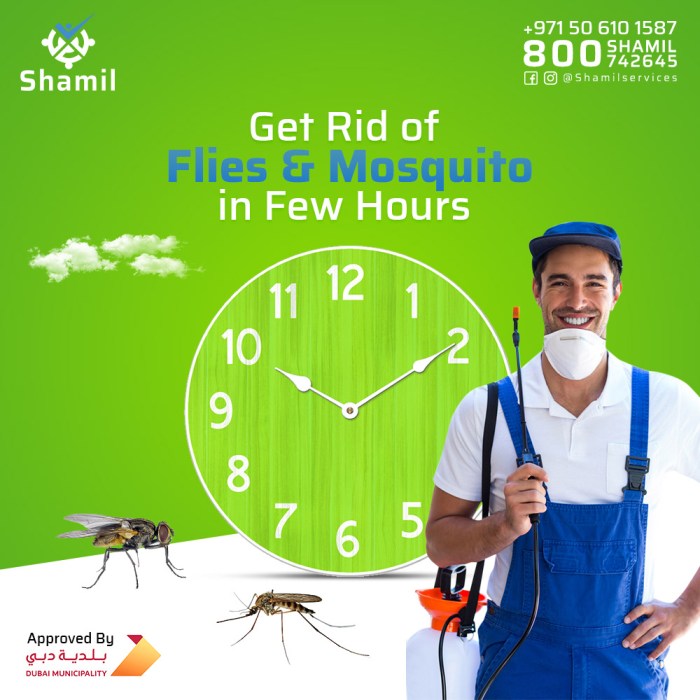

Social media tips pest control pros are crucial for modern pest control businesses. This guide delves into effective strategies for building a strong online presence, from crafting compelling content to managing customer interactions. Learn how to leverage social media platforms like Facebook, Instagram, and TikTok to connect with your target audience and showcase your expertise.
Discover how to create engaging posts, use high-quality visuals, and respond effectively to customer inquiries. We’ll explore content strategies, visual design, and analytics to help you maximize your social media ROI. Plus, get actionable tips for handling negative feedback and crisis situations.
Social Media Presence for Pest Control Businesses
A strong social media presence is no longer a luxury but a necessity for pest control businesses in today’s digital age. It allows you to connect with potential clients, build trust, and showcase your expertise, ultimately driving business growth. Engaging content can transform your online profile from a passive listing into an active hub of valuable information and community interaction.Effective social media strategies can significantly increase brand visibility and client acquisition, while also establishing a strong online reputation that fosters trust and encourages repeat business.
This approach allows you to connect with potential clients on a more personal level, providing them with helpful insights and proactive solutions to their pest problems.
Strategies for Creating a Compelling Social Media Presence
Developing a compelling social media presence for a pest control business involves understanding your target audience and tailoring your content accordingly. Focus on providing valuable information, addressing common pest concerns, and showcasing your expertise. This approach fosters trust and positions your business as a reliable resource.
Social Media Content Calendar Template
A well-structured content calendar ensures consistency and helps you plan ahead. It acts as a roadmap for your social media activity, guaranteeing a steady flow of engaging content.
Boosting your pest control business’s social media presence is key. Think engaging visuals and concise captions, but also consider how tools like 5 ways Salesforce Marketing Cloud supercharges business growth can streamline your marketing efforts. Ultimately, understanding your audience and tailoring your posts for maximum impact remains crucial for success in pest control social media strategies.
- Weekly Themes: Establish recurring themes (e.g., “Pest of the Week,” “DIY Pest Prevention Tips,” “Expert Q&A”). This allows for consistent and predictable content.
- Content Variety: Include a mix of informative posts, engaging questions, behind-the-scenes glimpses, and client testimonials. Avoid repetitive content.
- Visual Appeal: Use high-quality images and videos to illustrate your points and keep your posts visually appealing. Consider creating infographics or short videos.
- Platform-Specific Adjustments: Tailor your content to the specific characteristics of each platform. For example, Instagram might benefit from visually rich content, while Facebook could use longer-form posts or updates on current events.
- Engagement Strategy: Schedule time for interacting with comments and messages, fostering a sense of community.
Examples of Effective Social Media Posts
High-quality images and videos are essential for grabbing attention. These examples highlight effective approaches for pest control businesses:
- Post 1: A captivating image of a common pest (e.g., ants) alongside a clear, concise description of their habits and control methods. Include a call to action encouraging followers to share the post if it was helpful.
- Post 2: A short video showcasing a pest control technician effectively using equipment. The video should focus on safety and professionalism.
- Post 3: An infographic detailing common pest entry points into homes, alongside practical tips for sealing cracks and crevices. This provides valuable, actionable information to the audience.
Using Different Social Media Platforms
Each platform has its own characteristics and audience. Understanding these nuances is crucial for effective communication.
- Facebook: Ideal for sharing informative articles, industry news, and client testimonials. Use Facebook groups for targeted engagement with local homeowners.
- Instagram: Excellent for showcasing visually appealing content, like before-and-after photos of pest treatments, or images of your team working. Use stories for behind-the-scenes glimpses.
- TikTok: Perfect for short, engaging videos demonstrating pest control techniques, or quick tips for DIY pest prevention. Use trending audio and hashtags for wider reach.
Showcasing Pest Control Expertise
Demonstrating your knowledge and skills builds credibility and trust.
- Expert Q&A Sessions: Host live Q&A sessions to address common pest-related questions.
- Educational Content: Share articles or videos explaining different types of pests and their control methods.
- Client Testimonials: Showcase satisfied customers to build trust and social proof.
Building a Community Around Your Brand
A strong community fosters loyalty and encourages repeat business.
- Run Contests and Giveaways: Engage your audience by running contests and giveaways related to pest control.
- Encourage Interaction: Ask questions, respond to comments, and participate in relevant conversations.
- Host Webinars or Online Events: Share valuable information through webinars or online events.
Essential Social Media Tools
Various tools can streamline your social media management.
- Scheduling Tools: Plan your posts in advance to maintain consistency.
- Analytics Tools: Monitor your performance to understand what works best.
- Engagement Tracking Tools: Monitor and manage interactions with your followers.
Content Strategies for Engaging Posts: Social Media Tips Pest Control Pros

Attracting and retaining customers in the competitive pest control industry demands creative and engaging content strategies. Effective social media presence goes beyond simply posting; it’s about building genuine connections and establishing trust. This section delves into specific approaches to create engaging content, fostering a positive brand image and driving business growth.High-quality content is crucial for a successful pest control social media strategy.
Pest control pros know social media is key. Using platforms effectively can really boost business. Check out this helpful infographic, infographic how online marketing techniques grow your firm , to see how online marketing techniques can help. It’s packed with insights that can be directly applied to your pest control social media strategy. Ultimately, these tactics can really make your social media presence shine for a pest control business.
This includes visually appealing posts, informative captions, and relevant hashtags. By implementing these strategies, pest control businesses can cultivate a loyal following and effectively communicate their services.
Engaging Content Formats
Engaging content formats are essential for capturing attention and maintaining audience interest. Visuals are highly effective in conveying information about pests and pest control services.
- Infographics: Infographics are excellent for presenting complex information in a concise and easily digestible format. They can visually illustrate pest life cycles, common pest types, and effective prevention strategies. An infographic on the various stages of a cockroach lifecycle, for example, could include a series of illustrations, showcasing the egg stage, nymph stage, and adult stage, accompanied by brief descriptions for each stage.
This format allows quick comprehension and impactful visual learning.
- Videos and Reels: Short, engaging videos are a powerful tool for showcasing pest control services. Videos can demonstrate pest inspection procedures, illustrate the effectiveness of pest control treatments, and highlight the professionalism of the pest control team. A short reel showcasing a before-and-after comparison of a pest-infested area and a treated area can be highly persuasive.
High-Quality Images and Videos
High-resolution images and videos are vital for conveying professionalism and credibility. Blurry or low-quality visuals can detract from the message and damage the business’s reputation.
- Professional Photography/Videography: Employing a professional photographer or videographer to capture images and videos ensures high-quality visuals. Professional equipment and lighting enhance the visual appeal of the content.
- Clear and Crisp Images: Images should be clear and well-lit, showcasing the pests or the treatment process in detail. High-resolution images are essential to detail the extent of damage or the effectiveness of the pest control solution. For instance, a close-up of a termite infestation or the application of a targeted insecticide.
- High-Quality Videos: Clear and well-lit videos, filmed with a stable camera, are crucial for conveying information effectively. Videos should be focused on the specific topic, such as a detailed demonstration of a specific pest control procedure.
Using Relevant Hashtags
Hashtags increase visibility by connecting your content to relevant conversations and searches on social media.
- Targeted Hashtags: Research and use hashtags that are relevant to pest control, your location, and specific pest types. For example, #pestcontrol, #termitecontrol, #rodentcontrol, or location-specific hashtags. Combining general and specific hashtags maximizes reach.
- Hashtag Research: Use social media analytics tools to identify trending hashtags and hashtags used by competitors. Monitoring competitor strategies can provide insight into effective hashtags and identify opportunities to increase visibility.
- Hashtags per Post: Avoid overwhelming your posts with too many hashtags. A balanced approach is recommended to increase visibility without appearing spammy. For example, using 3-5 relevant hashtags per post will help balance the need for visibility with the user experience.
Effective Captions
Captions should complement the visuals and add value to the post.
- Informative and Engaging Language: Use clear, concise language that educates followers about pests and pest control. Avoid jargon and technical terms unless specifically targeting a specialized audience. Include key information about the pests, their impact, and your solution.
- Call to Action: Encourage engagement by prompting questions, asking for feedback, or inviting followers to share their experiences. A simple call to action, such as “Ask us your pest questions!” or “Share your pest control stories!” can significantly increase interaction.
- Examples: “Did you know termites can cause significant structural damage? Our experts provide effective termite control solutions. Contact us today for a free quote!” or “Protecting your home from ants is crucial. Learn effective prevention tips in our latest blog post! Link in bio.”
Informative and Educational Posts
Educational posts establish credibility and position your business as an expert in pest control.
- Pest Identification: Provide information about common pests, their characteristics, and potential damage. High-quality images or videos are essential to accurately identify pests.
- Pest Prevention Tips: Offer practical advice on how to prevent pest infestations in homes and businesses. This might include advice on sanitation, food storage, and sealing entry points.
- Pest Control Methods: Explain different pest control methods, including both preventative and reactive approaches. Include information on the pros and cons of different methods, including chemical and non-chemical approaches.
Attention-Grabbing Headlines
Compelling headlines grab attention and encourage readers to learn more.
- Clear and Concise Headlines: Headlines should be concise and clearly state the topic of the post. Avoid overly complex language or jargon.
- Intriguing Questions: Pose questions that pique the reader’s curiosity, prompting them to learn more about the topic. For instance, “Are Pests Infesting Your Home?” or “Is Your Home Vulnerable to Termites?”
- Benefit-Oriented Headlines: Highlight the benefits of pest control services, such as protecting homes, ensuring health, and maintaining property value. For example, “Safeguard Your Home from Pests” or “Prevent Pests, Protect Your Property.”
Addressing Customer Inquiries
Responding to customer inquiries promptly and professionally builds trust and strengthens customer relationships.
- Prompt Responses: Respond to inquiries within a reasonable timeframe, ideally within 24 hours. This demonstrates professionalism and responsiveness.
- Helpful and Informative Responses: Provide accurate and helpful information in a clear and concise manner. Ensure the answers are accurate and tailored to the customer’s specific concern.
- Appropriate Channels: Use the appropriate social media channel for different types of inquiries. Direct messages are ideal for personal questions or concerns, while posts are suitable for addressing general questions or concerns.
Incorporating Testimonials and Reviews
Customer testimonials and reviews are valuable assets for building trust and credibility.
- Showcase Positive Feedback: Highlight positive testimonials and reviews to demonstrate the positive experiences of your clients. This can include quotes, short videos, or images of reviews.
- Encourage Reviews: Actively encourage customers to leave reviews on your social media pages or other relevant platforms.
- Respond to Reviews: Respond to both positive and negative reviews to show that you value customer feedback and are committed to addressing concerns.
Tips for Customer Interaction
Building strong customer relationships is crucial for any pest control business. Positive interactions on social media can foster loyalty and attract new clients. By actively engaging with customers, you can turn them into brand advocates and build a thriving online community. This section focuses on best practices for responding to comments, handling complaints, and fostering trust through various social media strategies.
Responding to Comments and Messages
Effective communication is key to a positive customer experience. Always respond promptly to comments and messages, even if it’s just to acknowledge receipt. This shows customers that you value their input and are attentive to their needs. Be polite, professional, and address the specific concerns raised in each interaction. Avoid generic responses that don’t directly address the customer’s issue.
Professional Responses to Customer Complaints
Addressing customer complaints constructively can turn a negative experience into a positive one. When a customer expresses dissatisfaction, acknowledge their feelings and apologize for the inconvenience. Offer a solution, such as a discount on future services or a free follow-up inspection. Do not get defensive or argue with the customer. Maintain a calm and professional tone throughout the interaction.
Here’s an example:
“We sincerely apologize for the recent pest issue you experienced. We understand your frustration. To resolve this, we’d be happy to schedule a free follow-up inspection and offer a 15% discount on your next service.”
Building Trust and Rapport
Building trust and rapport with customers is an ongoing process. Share helpful pest control tips, educational content, and behind-the-scenes glimpses into your company culture. Respond to customer questions with accurate information and offer solutions that address their specific needs. Use social media to show your expertise and commitment to providing excellent service.
Handling Negative Feedback Gracefully
Negative feedback is inevitable on social media. Instead of deleting or ignoring negative comments, address them directly and publicly. Acknowledge the customer’s concern, apologize for any inconvenience, and offer a solution. Show your willingness to resolve the issue and demonstrate your commitment to customer satisfaction. Publicly addressing negative feedback demonstrates transparency and builds trust.
Running Contests and Giveaways
Contests and giveaways can be an effective way to engage customers and boost brand awareness. Clearly define the rules and regulations of the contest, and ensure that the process is transparent and fair. Use high-quality visuals and compelling copy to attract participation. Remember to follow all applicable social media platform guidelines. Contests should be well-organized, promoting positive engagement and excitement.
Targeted Social Media Ads for Pest Control Services
Targeted social media ads can effectively reach potential customers in your area. Utilize demographic and interest-based targeting options to ensure your ads are seen by the right people. Consider offering specific promotions or discounts to encourage immediate action from potential customers. Track the performance of your ads to understand which ones are most effective and adjust your strategy accordingly.
Social Media Advertising Strategies Comparison
| Strategy | Description | Pros | Cons |
|---|---|---|---|
| Facebook Ads | Targeted ads based on demographics, interests, and behaviors. | High reach, detailed targeting options. | Can be expensive if not optimized, requires ongoing management. |
| Instagram Ads | Visual-focused ads that target users based on interests and behaviors. | Excellent for visual businesses, high engagement potential. | Less effective for lead generation, may require a strong visual strategy. |
| Twitter Ads | Targeted ads that focus on specific s and topics. | Effective for real-time engagement, quick responses to customer queries. | Reach may be limited compared to other platforms, needs a fast-paced approach. |
Managing Social Media Crisis Situations
A crisis can arise on social media in various forms, from a major complaint to a security breach. Develop a clear procedure for responding to such situations. A pre-determined response strategy, clear communication channels, and a designated team will ensure a swift and organized response. Monitor social media channels continuously for potential issues, and address them promptly and effectively.
Visual Content and Design
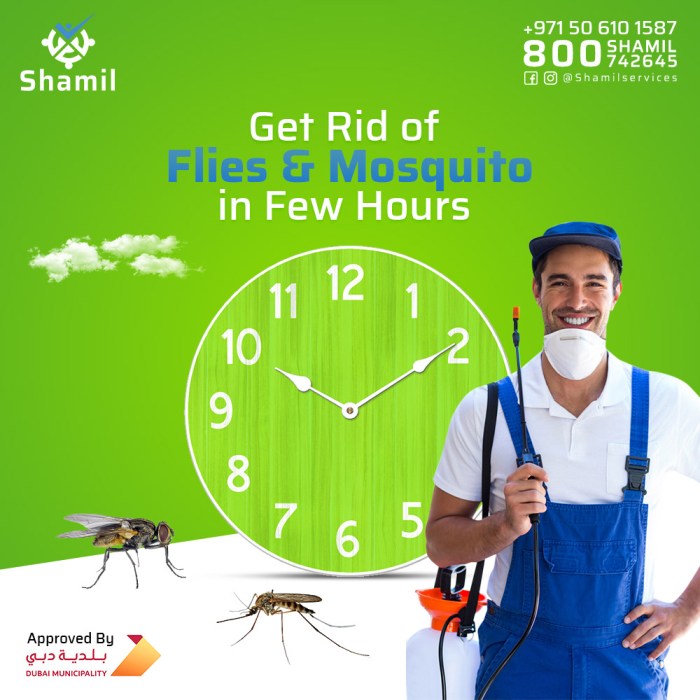
A strong visual presence is crucial for pest control businesses on social media. Attractive graphics and videos can significantly enhance engagement and build trust with potential customers. Compelling visuals capture attention, convey information effectively, and ultimately lead to more inquiries and bookings. Consistent visual branding across all platforms further strengthens brand recognition and reinforces professionalism.Visuals are the cornerstone of social media marketing for pest control.
They can be incredibly effective at showcasing expertise, professionalism, and the value your services provide. A well-designed graphic can quickly communicate your brand’s message and attract the right audience. Using a consistent visual language is vital to build brand recognition and trust.

So, you’re a pest control pro looking to boost your online presence? Sharing social media tips is a great start, but to truly convert those online interactions into paying customers, you need a strong content marketing strategy. Consider exploring content marketing to generate and qualify website leads here. This will help you build trust and authority, ultimately driving more qualified leads through your social media channels.
Then, your social media tips can truly shine, acting as a powerful extension of your content marketing efforts.
Social Media Graphic Templates
Creating a set of templates for various social media posts (banners, stories, etc.) streamlines the design process. These templates provide a consistent visual style that strengthens brand identity. Using pre-designed templates ensures a professional look for all your posts, saving time and effort. Examples include a template for showcasing before-and-after results, another for highlighting pest identification, and a third for promoting special offers.
Effective Visual Branding
Effective visual branding for pest control services emphasizes professionalism and expertise. Images should depict clean, well-lit work environments and highlight the use of safe and effective pest control methods. For example, a clean, organized workspace with pest control equipment neatly arranged conveys professionalism. Photos of technicians wearing appropriate safety gear and adhering to industry best practices reinforce professionalism.
Showcase the positive outcomes of pest control solutions through high-quality before-and-after images.
Consistent Brand Colors and Fonts
Using consistent brand colors and fonts across all social media platforms creates a cohesive and recognizable brand identity. This reinforces brand recognition and fosters trust. A consistent color palette and font choice make your posts immediately identifiable and professional. This visual consistency reinforces your brand’s message and enhances the customer experience.
Eye-Catching Images and Videos
Creating eye-catching images and videos involves understanding your target audience and what resonates with them. High-quality images and videos are key to capturing attention and conveying professionalism. Focus on clear, well-lit images showcasing the effectiveness of your pest control services. Consider using before-and-after images to highlight results and build trust. Videos can demonstrate the process, showcasing expertise and professionalism.
For example, a short video showing technicians safely and effectively handling a pest infestation can build confidence.
Optimizing Visuals for Different Platforms
Optimizing social media visuals for different platforms is essential for maximizing their impact. Different platforms have different dimensions for images and videos, so understanding these guidelines is crucial. Using the correct aspect ratio ensures visuals display correctly on each platform. For example, a square image is suitable for Instagram, while a landscape image works well for Facebook.
Ideal Image Dimensions
The ideal image dimensions for various social media platforms vary. Understanding these dimensions ensures visuals display correctly and maximize impact. For example, Instagram recommends a square image format for a clean, consistent look. Facebook allows for various image sizes, including landscape and portrait.
Image and Video Editing Tools, Social media tips pest control pros
| Tool | Description | Pros | Cons |
|---|---|---|---|
| Canva | User-friendly graphic design tool with a wide range of templates and features. | Ease of use, vast templates, affordable | Can feel limited for advanced users |
| Adobe Photoshop | Industry-standard photo editing software with powerful tools and flexibility. | High-quality results, advanced features | Steep learning curve, expensive |
| GIMP | Free and open-source image editor with comparable features to Photoshop. | Cost-effective, powerful tools | Steeper learning curve than Canva |
Choosing Fonts and Color Palettes
Choosing appropriate fonts and color palettes for pest control branding involves understanding the desired brand personality. A professional pest control company may benefit from using clean, modern fonts and a color palette that conveys trust and reliability. For example, using a professional font like Calibri or Open Sans with a color palette featuring blues and greens can evoke a sense of professionalism.
Analytics and Measurement
Understanding your social media performance is crucial for pest control businesses. Knowing what resonates with your audience and what doesn’t allows for strategic adjustments to boost engagement, attract new customers, and ultimately, drive business growth. This section delves into the importance of tracking your social media presence, how to measure campaign effectiveness, and the tools and strategies to leverage data for optimization.Effective pest control hinges on understanding your audience.
Social media analytics provide a window into customer preferences, needs, and pain points. Tracking these insights allows you to tailor your content to be more relevant and persuasive. This, in turn, fosters stronger connections and drives conversions.
Importance of Tracking Social Media Performance
Tracking social media performance for pest control businesses is vital for several reasons. It provides insights into audience engagement, content effectiveness, and overall campaign success. This data-driven approach allows businesses to understand what types of posts and strategies resonate with their target audience. It also helps identify areas for improvement, ultimately maximizing the return on investment (ROI) from social media marketing efforts.
Methods for Measuring Campaign Effectiveness
Various methods exist for assessing the effectiveness of social media campaigns. Analyzing metrics like reach, engagement (likes, comments, shares), website clicks, and conversion rates is key. Tracking the number of leads generated from social media interactions is crucial for evaluating the campaign’s success. Monitoring mentions of your brand or relevant hashtags can reveal public perception and opportunities for improvement.
Understanding the overall sentiment around your brand (positive, negative, or neutral) is also critical.
Social Media Analytics Tools
Numerous social media analytics tools are available for pest control businesses. Tools like Hootsuite, SproutSocial, Buffer, and even native analytics platforms offered by each social media platform (Facebook Insights, Instagram Insights, etc.) provide detailed performance reports. These tools allow for comprehensive data analysis and reporting, making it easy to track key metrics and identify trends. Choosing the right tool depends on the specific needs and budget of the pest control business.
Key Metrics to Track on Social Media
Tracking key metrics is essential for evaluating social media performance. These metrics provide insights into audience engagement, content effectiveness, and campaign success. Essential metrics include:
- Reach: The number of unique users who saw your posts.
- Engagement: Likes, comments, shares, and saves. Higher engagement indicates greater audience interest.
- Website Clicks: A key metric indicating how many users clicked through to your website from your social media posts.
- Conversion Rates: The percentage of users who completed a desired action (e.g., booking an appointment, filling out a contact form). This is a direct measure of campaign effectiveness.
- Brand Mentions: The number of times your brand or relevant hashtags are mentioned online. This highlights public perception.
- Sentiment Analysis: Determining the overall sentiment around your brand. This is critical for understanding how your audience perceives your business.
Analyzing Audience Engagement
Analyzing audience engagement involves understanding how users interact with your content. Analyzing comments, messages, and direct interactions can reveal what resonates and what doesn’t. Analyzing audience demographics, interests, and locations helps target content effectively. This data-driven approach allows for strategic adjustments to improve engagement. Listening to customer feedback through social media interactions is critical to improve services and address concerns.
Optimizing Content Strategies Using Analytics
Social media analytics are invaluable for optimizing content strategies. Analyzing which posts perform best (based on engagement and reach) allows you to create more of those types of content. Identifying underperforming content allows for adjustments, improving future content creation. Understanding audience preferences through data analysis helps create targeted and relevant content. A deep understanding of what works and what doesn’t helps businesses refine their content strategy for better results.
Interpreting Social Media Analytics
The following table demonstrates how to interpret social media analytics for pest control businesses:
| Metric | High Value | Low Value | Action |
|---|---|---|---|
| Reach | High visibility | Low visibility | Refine targeting or content |
| Engagement | High interaction | Low interaction | Improve content quality or posting frequency |
| Website Clicks | High traffic | Low traffic | Optimize post calls to action or content |
| Conversion Rates | High conversions | Low conversions | Refine lead generation strategy |
| Brand Mentions | Positive mentions | Negative mentions | Address concerns or highlight strengths |
Setting Up Social Media Analytics Dashboards
Setting up a social media analytics dashboard provides a centralized view of key performance indicators (KPIs). A comprehensive dashboard should display essential metrics such as reach, engagement, website clicks, and conversion rates. Tools like Google Data Studio or dedicated social media management platforms can help create custom dashboards. These dashboards allow for real-time monitoring and analysis of social media performance, empowering businesses to make informed decisions.
Visualizations of data are critical for quick understanding of trends and patterns.
Last Recap
In conclusion, mastering social media is no longer optional for pest control professionals. This comprehensive guide provides practical strategies for success. By implementing these tips, you can build a strong online presence, engage with customers, and ultimately grow your pest control business. Remember, consistent effort and adaptation are key to staying ahead in the digital landscape.