
Website clean simple design is the key to a seamless user experience. It’s about prioritizing clarity and efficiency, creating a visually appealing and intuitive website that’s a joy to navigate. This guide delves into the principles, elements, and strategies behind crafting clean, simple, and effective websites.
From defining the core characteristics of clean and simple design to examining case studies and future trends, this comprehensive guide empowers you to build websites that resonate with users and achieve your objectives.
Defining Website Clean Simple Design
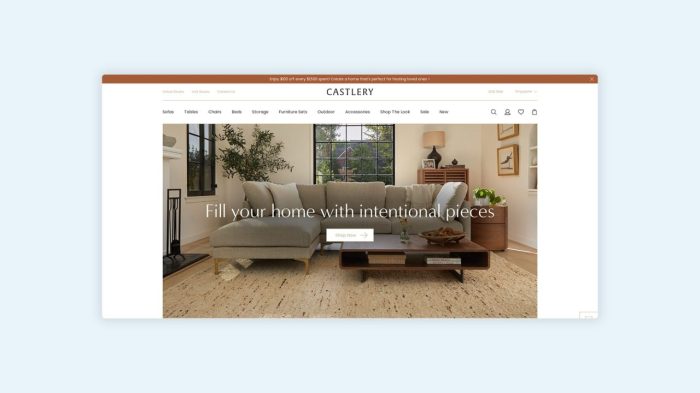
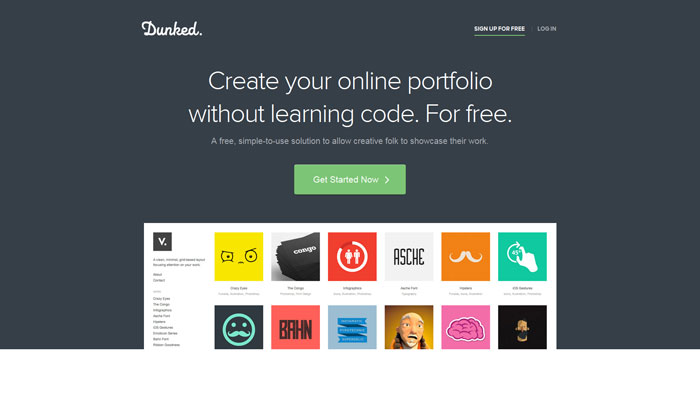
A clean and simple website design prioritizes user experience by minimizing distractions and maximizing clarity. It focuses on conveying essential information efficiently and effectively, making navigation intuitive and the overall experience pleasant. This approach emphasizes visual appeal without sacrificing functionality or the ability to communicate complex information. This design philosophy is essential for attracting and retaining users in today’s digital landscape.A clean and simple website design is characterized by a straightforward layout, uncluttered visual elements, and clear navigation.
The goal is to allow users to easily find what they need without feeling overwhelmed or confused by excessive design features. This approach fosters a positive user experience, leading to higher engagement and potentially increased conversions.
Key Characteristics of Clean and Simple Design
Clean and simple designs often share common characteristics. These features work together to create a cohesive and user-friendly experience. Visual elements, such as color schemes and typography, play a crucial role in achieving this aesthetic.
- Uncluttered Layout: Whitespace is crucial. Strategic use of negative space helps guide the user’s eye and avoids overwhelming them with information. Content is organized logically, and elements are placed thoughtfully to enhance readability and accessibility.
- Intuitive Navigation: Clear and consistent navigation menus guide users through the website without difficulty. Users should quickly understand how to access different sections and pages.
- Limited Visual Elements: Clean designs typically avoid excessive use of graphics, animations, and other visual elements that could distract from the content. Only essential visuals are used to support the message.
- Focus on Typography: Well-chosen fonts are vital for readability and aesthetics. Fonts should be legible at various sizes and on different devices. Typography should complement the overall tone and style of the website.
Examples of Clean and Simple Websites
Several websites exemplify clean and simple design principles. These examples demonstrate how these principles can be effectively applied to various website types.
- Airbnb: Airbnb’s website is a prime example of a clean design focused on showcasing accommodations. Its minimalist approach effectively highlights the key details of each listing, guiding users through the process of finding and booking a place to stay.
- Mailchimp: Mailchimp’s website clearly demonstrates the benefits of clean design for email marketing platforms. Its simple layout emphasizes the key features of the platform, making it easy for users to understand and engage with the service.
- Squarespace: Squarespace provides a well-organized and easily navigable website for users to create and manage their own websites. The clean design allows users to focus on the content without getting distracted by complex layouts.
Visual Hierarchy in Clean Design
Visual hierarchy is essential for directing user attention to important elements. This strategic placement of elements guides the user’s eye and ensures the most crucial information is easily perceived.Effective visual hierarchy involves utilizing size, color, contrast, and whitespace to highlight specific elements and create a clear flow for the user. This approach creates a user-friendly environment and ensures that the intended message is communicated effectively.
Typography and Color Palettes in Clean Design
The careful selection of typography and color palettes significantly impacts the overall aesthetic and readability of a website. These elements play a vital role in conveying the intended message and creating a positive user experience.
- Font Selection: Legibility is paramount. Fonts should be easily readable at various sizes and on different devices. Consider the context and message of the website when selecting fonts.
- Color Palette: Color palettes should be cohesive and create a visually appealing yet unobtrusive design. Using a limited palette with complementary colors helps maintain visual harmony and aids in readability.
Elements of a Clean and Simple Design: Website Clean Simple Design
A clean and simple website design prioritizes user experience. It’s about making the site easy to navigate, visually appealing, and free of clutter. This approach focuses on conveying information effectively without overwhelming the user. The core elements of a clean design are crucial for guiding visitors and encouraging engagement.Effective website design goes beyond aesthetics; it’s about optimizing functionality and user-friendliness.
By strategically employing key elements like whitespace, visual balance, and intuitive content structuring, designers can create a seamless experience for users.
Key Design Elements for a Clean Layout
Clean website designs rely on a carefully curated selection of elements. These elements, when used correctly, contribute to a streamlined and user-friendly experience. Choosing the right elements for a site is essential for its success.
- Visual Hierarchy: A clear visual hierarchy guides the user’s eye through the content. Larger headings, bold text, and strategically placed images create a natural flow. This allows users to easily grasp the most important information first.
- Limited Color Palette: Using a restrained color palette creates a sense of calmness and focus. A cohesive color scheme strengthens the brand identity and ensures visual harmony.
- High-Quality Images and Icons: Images and icons should be relevant to the content and high resolution to avoid pixelation. They should enhance the site’s visual appeal without distracting from the core message.
- Font Selection: Choosing legible and appropriate fonts is crucial. Fonts should be easily readable, regardless of the screen size or device being used.
Effective Use of Whitespace
Whitespace, often overlooked, is a powerful tool in website design. It’s the space around text, images, and other elements. Effective use of whitespace creates visual breathing room and improves readability.Properly utilizing whitespace creates visual hierarchy, making the content more engaging and easier to understand. It gives the website a clean and airy feel.
- Strategic Placement: Whitespace should be strategically placed around elements to separate them and create visual interest. This ensures that the elements do not look cluttered or crowded.
- Visual Breathing Room: Whitespace provides visual breathing room, allowing users to focus on individual components without feeling overwhelmed.
- Readability Enhancement: Adequate whitespace improves readability by preventing text from appearing cramped. This ensures that users can easily scan and process information.
Visual Balance and Symmetry
Visual balance in website design creates a sense of harmony and equilibrium. This can be achieved through symmetrical or asymmetrical arrangements. A well-balanced design ensures that the visual elements work together to create a cohesive and pleasing experience.Achieving balance is key to making the website appealing and easy to use.
- Symmetrical Design: Symmetrical layouts are balanced and visually appealing, creating a sense of order and formality. They often use a central axis to align elements.
- Asymmetrical Design: Asymmetrical layouts can create a dynamic and engaging feel. They often use visual weight to create balance without strict mirroring.
Logical Content Structuring
Logical structuring of website content is essential for a smooth user experience. Clear headings, subheadings, and bullet points improve readability and make it easy for users to find what they need. Proper organization also aids in search engine optimization.Content organization directly impacts how users perceive the website.
- Clear Headings and Subheadings: Use clear and concise headings and subheadings to break down content into digestible chunks. This improves the readability of the site and allows users to quickly find the information they need.
- Logical Sectioning: Organize content into logical sections and subsections. This makes it easy for users to navigate the site and find the information they need.
- Intuitive Navigation: Ensure that the navigation system is intuitive and easy to use. This ensures that users can easily find what they are looking for without confusion.
Effective Navigation Systems
Navigation systems are crucial for guiding users through a website. Simple and intuitive navigation systems are essential for a clean and easy-to-use website. They enhance the overall user experience.Effective navigation is essential for usability and user satisfaction.
- Simple and Consistent Menus: Use simple and consistent menus throughout the website. This ensures that users can easily understand where to go to find information.
- Clear and Concise Labels: Use clear and concise labels for navigation links to avoid ambiguity. This ensures that users understand what each link leads to.
- Breadcrumbs: Breadcrumbs provide users with a visual trail of their navigation path, allowing them to easily retrace their steps and navigate back to previous sections.
Content Organization and Structure
A clean and simple website prioritizes ease of navigation and comprehension. Well-organized content is crucial for a positive user experience. Effective structure guides visitors through the site, allowing them to find the information they need quickly and effortlessly. This section delves into strategies for organizing content logically and intuitively, making it easily accessible and enjoyable for users.Clear and logical content organization is key to a successful website.
By carefully structuring the content, you ensure that visitors can effortlessly navigate the site and find the information they seek. This, in turn, enhances the user experience and encourages engagement.
Content Structure Methods
Different content structures cater to diverse website needs. Understanding various organizational approaches enables you to choose the best fit for your site’s goals and target audience. Below is a table illustrating various content organization methods for a clean and simple design.
| Structure Method | Description | Example Use Cases | Strengths |
|---|---|---|---|
| Hierarchical | Organizes content in a tree-like structure, with main categories branching into subcategories. | E-commerce sites, informational websites | Provides clear navigation, allows for deep dives into specific topics |
| Sequential | Presents content in a specific order, often chronological or step-by-step. | Tutorials, guides, articles | Useful for instructions, clear progression of ideas |
| Categorical | Groups content based on shared characteristics or themes. | Blog posts, product listings | Facilitates quick retrieval of information by category |
| Relational | Connects content based on relationships between different pieces of information. | Research papers, project pages | Highlights connections, encourages exploration |
Creating Clear Calls-to-Action
Effective calls-to-action (CTAs) motivate users to take desired actions. They are essential for driving conversions, whether it’s making a purchase, signing up for a newsletter, or requesting a demo. Crafting compelling CTAs requires a thoughtful approach.A well-designed CTA should be easily identifiable, concise, and compelling. Using action-oriented verbs, like “Shop Now,” “Learn More,” or “Get Started,” will make the call-to-action more persuasive.
Visual cues, such as a button or a contrasting color, can further enhance the CTA’s visibility and encourage interaction. For example, a button with a bright color, like “Learn More,” draws the user’s attention more effectively than a subtle link.
Headings and Subheadings
Proper use of headings and subheadings is crucial for structuring text and enhancing readability. They create a clear hierarchy, allowing users to scan the content quickly and identify key sections. Clear hierarchy through headings and subheadings enhances readability and guides users through the content.
Using headings and subheadings is essential for structuring website copy, enhancing readability, and enabling users to quickly scan and find relevant information.
For instance, a main heading, like “Website Design Tips,” could have subheadings like “Choosing the Right Theme,” “Optimizing for Mobile,” and “Creating a User-Friendly Interface.”
Optimizing Content for Readability
Optimizing website content for readability enhances the user experience. This includes employing techniques to break up large blocks of text, use short paragraphs, and incorporate visuals. Applying these strategies ensures that visitors can easily consume the content and stay engaged.Strategies to improve content readability on a website include using short paragraphs, incorporating bullet points or numbered lists, and strategically using whitespace to visually separate content.
Adding visuals, such as images or icons, helps to break up text and make the page more engaging and less overwhelming.
Visual Aspects and User Experience
High-quality visuals are crucial for a clean and simple website. They significantly impact user engagement and perception of the site’s overall professionalism. A visually appealing design fosters trust and encourages users to explore the content further. Choosing the right images and graphics, combined with a well-thought-out responsive design, is paramount for creating a positive user experience across different devices.Effective use of visuals goes beyond aesthetics; it enhances the clarity and comprehension of information.
A clean, simple website design is key for user experience. Focusing on minimalism and straightforward navigation is often more effective than complicated A/B testing, which, as some argue, can be a massive waste of time. For example, ab testing waste of time is a common complaint. Ultimately, a well-structured, uncluttered site will always perform better in the long run.
Images and graphics can illustrate complex concepts in a straightforward manner, making the website easier to navigate and understand. A well-executed visual strategy ensures the website is accessible and enjoyable for all users.
High-Quality Images and Graphics
Visuals are critical to a clean design. They can convey information more effectively than text alone, particularly when dealing with complex concepts or product demonstrations. High-quality images and graphics improve the visual appeal of a website, making it more inviting and professional. A clean design avoids cluttering the page with irrelevant images, focusing instead on visuals that support the content.
Selecting Appropriate Images and Graphics
Careful consideration must be given to the selection of images and graphics for a clean website. Images should be relevant to the content and contribute to the overall design aesthetic. They should be high-resolution and appropriate in size to avoid slow loading times. The image’s subject matter and style should align with the website’s overall branding and message.
Image Format Comparison
Choosing the right image format is essential for website optimization. Different formats have varying compression levels and capabilities, affecting file size and image quality.
| Format | Description | Compression | Suitability |
|---|---|---|---|
| JPEG (JPG) | Joint Photographic Experts Group | Lossy | Best for photographs and images with smooth color transitions. Suitable for showcasing visual content, such as product photography. |
| PNG | Portable Network Graphics | Lossless | Excellent for images with sharp lines, text, and logos. Suitable for graphics, icons, and images that require high detail and clarity. |
| GIF | Graphics Interchange Format | Lossless or Lossy | Suitable for simple animations and images with limited color palettes. Best used for animated graphics or icons, not for high-resolution photos. |
| WebP | Google’s format | Lossless or Lossy | Offers superior compression compared to other formats, often providing better image quality with smaller file sizes. A modern format that is increasingly supported by browsers. |
Responsive Website Design
A responsive design ensures the website adapts seamlessly to different screen sizes, from desktops to mobile phones. This adaptability is crucial for a positive user experience. A website that looks good and functions well on all devices builds trust and user engagement. The design must be flexible and accommodate different screen resolutions and orientations without sacrificing visual appeal.
Effective Use of Animations and Transitions, Website clean simple design
Animations and transitions can enhance the user experience, but excessive or poorly executed animations can detract from a clean design. Strategic use of animations can guide users through the website, highlighting key elements and making interactions more engaging. Simple, subtle animations that support the user’s journey through the website without hindering readability are best. Animations should not overwhelm the user or create a distracting experience.
The focus should always remain on clear information presentation and easy navigation.
Usability and Accessibility
A clean and simple design prioritizes ease of use and accessibility for all users. A well-structured website, free of visual clutter and complex navigation, empowers users to quickly find the information they need. This approach fosters a positive user experience, leading to higher engagement and satisfaction.Effective usability and accessibility go hand-in-hand in creating a truly inclusive website. By considering the diverse needs of users, a website becomes more usable for everyone, regardless of their abilities or technical expertise.
This principle applies equally to simple and complex websites, ensuring a positive and productive online experience for all visitors.
A clean, simple website design is key for a good user experience. It’s not just about aesthetics, but also about conversion rates. Understanding how to attract and engage visitors is crucial, which is why learning the 4 essential steps to flawlessly execute paid marketing campaigns, like in this beginners guide beginners guide 4 essential steps to flawlessly execute paid marketing campaigns , is a great place to start.
Ultimately, a well-designed website will make all the difference in your online success.
User-Friendly Website Design
A user-friendly website is intuitive and easy to navigate. Clear labeling of elements, logical organization of content, and consistent design elements contribute to a positive user experience. The placement of essential features, like search bars, contact information, and navigation menus, should be intuitive and accessible from any page. This ensures users can effortlessly find their desired information without confusion or frustration.
Accessibility Considerations
Accessibility is paramount for inclusive design. Ensuring a website is accessible means accommodating users with disabilities, including visual, auditory, motor, and cognitive impairments. This involves using appropriate color contrasts, providing alternative text for images, ensuring keyboard navigation, and offering transcripts for audio content. Adhering to accessibility guidelines, such as WCAG (Web Content Accessibility Guidelines), guarantees a website that is usable for a broader audience.
Examples of Prioritized User Experience and Accessibility
Many websites excel in providing a superior user experience while adhering to accessibility standards. For instance, the website of the World Wide Web Consortium (W3C) is a prime example. Its clear navigation, comprehensive documentation, and adherence to accessibility guidelines demonstrate a commitment to both usability and inclusivity. Similarly, government websites often prioritize accessibility to ensure services are available to everyone.
These websites showcase well-organized information architecture, clear call-to-actions, and consistent design elements, fostering a seamless user journey.
Smooth User Flow
Creating a smooth user flow on a simple website involves meticulously planning the user journey. A well-defined hierarchy of information, clear navigation paths, and intuitive links are essential. Consider using breadcrumbs or site maps to help users understand their location within the website and to easily navigate back to previous pages. The placement of call-to-actions, such as buttons or links, should be strategically positioned to guide users towards the desired actions.
Website Performance Improvement
Website performance is critical for a positive user experience. Slow loading times can significantly impact user engagement and satisfaction. Optimizing images, minimizing HTTP requests, and leveraging caching mechanisms are crucial steps in improving performance. Utilizing a content delivery network (CDN) can further enhance website speed by distributing content across multiple servers, reducing latency and improving loading times for users worldwide.
Case Studies and Examples
Clean and simple website designs aren’t just aesthetically pleasing; they’re proven to boost user engagement and conversions. This section delves into successful examples, highlighting the key design choices and strategies behind their success. Understanding these case studies allows you to replicate effective elements in your own website designs.
Successful Website Examples
Numerous websites have demonstrated the effectiveness of clean and simple designs. Their success isn’t accidental; meticulous planning and execution drive these results.
A clean, simple website design is key to a great user experience. It’s all about making the site easy to navigate, and that includes visually appealing elements. Think of how impactful a well-designed social media post can be, with its photos and videos. This attention to visual detail, as seen in social media photos videos , can really elevate a website, too.

Ultimately, a clean and simple design is all about presenting the essential information clearly and effectively.
| Website | Industry | Key Design Choices | Impact on User Engagement and Conversion |
|---|---|---|---|
| Moz | and Marketing | A minimalist design with a clear focus on content and navigation. Large, easy-to-read headings and concise paragraphs. High-quality images and infographics are strategically placed. | High user engagement due to easily accessible and valuable information. High conversion rates through clear calls to action and a well-structured lead generation process. |
| Grammarly | Grammar and Writing Tools | A modern, minimalist design with a clear visual hierarchy. Simple and intuitive navigation. Clear visual cues guide users to key features and functionalities. | Excellent user engagement with clear and concise product information. High conversion rates through showcasing the tool’s value proposition and simple purchase process. |
| Shopify | E-commerce Platform | A clean and uncluttered layout with a focus on product showcases. Intuitive navigation with clear categories and filters. Mobile responsiveness is prioritized. | Excellent user engagement due to the ease of browsing products and finding what they need. High conversion rates from simplified checkout and clear product information. |
| Mailchimp | Email Marketing Platform | A clean and modern interface with a clear visual hierarchy. Intuitive navigation with clear categories and features. Simple and clear call-to-actions. | High user engagement due to the simple navigation and easy-to-understand features. High conversion rates with a focus on clear signup and pricing information. |
Key Design Strategies
Effective clean and simple designs prioritize user experience above all else. A focus on clear communication and a streamlined interface is essential.
- Prioritizing User Experience (UX): Every design choice should contribute to a positive and intuitive user experience. This involves understanding user needs and behavior, ensuring the site is easy to navigate, and providing clear and concise information.
- Clear Visual Hierarchy: Using visual cues like size, color, and spacing to guide the user’s eye and highlight important information is critical. This improves comprehension and navigation.
- Minimalist Design Principles: Avoid unnecessary elements and clutter. Focus on essential information and functionalities. A clean layout ensures that the user isn’t distracted by non-essential elements.
- Mobile Responsiveness: A website should adapt seamlessly to different screen sizes, ensuring a consistent experience across all devices. This is crucial for a positive user experience and accessibility.
Impact on User Engagement and Conversion Rates
A clean and simple design fosters a positive user experience, leading to higher engagement and conversion rates.
Users are more likely to interact with a website that is easy to navigate and understand.
Clean and simple designs often result in:
- Reduced Bounce Rates: Users are more likely to stay on a site that is easy to use and understand.
- Increased Time on Site: Users spend more time exploring a site that is well-organized and engaging.
- Higher Conversion Rates: A streamlined design and clear calls to action lead to more successful conversions.
Future Trends in Clean and Simple Design
Clean and simple website design is constantly evolving, adapting to the ever-changing digital landscape. Future trends will be driven by the desire for faster loading times, seamless user experiences, and a focus on conveying information effectively with minimal visual clutter. These designs will prioritize functionality and accessibility, ensuring usability for a wide range of users.Emerging trends reflect a shift towards intuitive interfaces, emphasizing the user’s needs above all else.
Simplicity, rather than being a stylistic choice, will become a crucial component for optimizing website performance and user engagement. This trend will be further strengthened by advancements in technology and the rising importance of accessibility.
Minimalism and Functionality
Minimalist design principles, emphasizing clean lines, whitespace, and strategic use of typography, will continue to be a cornerstone of clean and simple design. However, minimalism will not equate to a lack of features. Instead, the focus will be on carefully curated elements, each serving a specific purpose and contributing to the overall user experience. Functionality will be paramount, ensuring that every design choice enhances usability and user satisfaction.
A strong example is the recent rise of single-page applications; they streamline the user experience by minimizing navigation and maximizing content accessibility.
Technology Advancements
Technological advancements are significantly impacting clean and simple website design. Improved browser rendering capabilities and more powerful server infrastructure are leading to faster loading times and smoother user experiences. Responsive design will continue to be a critical component, ensuring that websites adapt seamlessly to various devices and screen sizes. The use of progressive web apps (PWAs) is also increasing, offering a hybrid approach that combines the best of web and app experiences, enabling fast and seamless access to content regardless of device.
Modern Design Principles
Incorporating modern design principles into clean and simple websites requires a keen understanding of user behavior and preferences. The use of high-quality, authentic imagery and video is crucial for conveying information effectively and engaging users. Utilizing animation and micro-interactions can enhance user engagement without overwhelming the interface. For example, subtle animations can guide users through processes or highlight important information, creating a more interactive and enjoyable experience.
Moreover, a sophisticated color palette, paired with carefully chosen typography, can create a unique visual identity while maintaining a clean aesthetic.
AI’s Influence
Artificial intelligence (AI) is poised to play a significant role in shaping future clean and simple design trends. AI can analyze user behavior and preferences to personalize the website experience, ensuring that content is tailored to individual needs. AI-powered tools can also automate tasks like content creation and website maintenance, freeing up designers and developers to focus on more complex and creative aspects of the design process.
For instance, AI-powered content generation tools can be used to create customized summaries or explanations for various website sections, enhancing accessibility and usability.
Creating a Clean and Simple Design
A clean and simple website design prioritizes user experience above all else. It focuses on intuitive navigation, easily digestible information, and a visually uncluttered layout. This approach encourages visitors to spend more time exploring the site and increases the likelihood of conversions.A well-structured website, with clear navigation and concise content, enhances user satisfaction and fosters a positive online experience.
This leads to higher engagement and improved site performance.
Illustrative Guide to Designing a Clean and Simple Website
This guide provides a framework for creating a clean and simple website, focusing on user-centric design principles. The goal is to make the website easily navigable, aesthetically pleasing, and effective in achieving its intended purpose.
Detailed Checklist for Website Design
A well-defined checklist ensures that crucial elements are addressed during the design process. This comprehensive list helps designers avoid overlooking essential aspects, ultimately leading to a more user-friendly website.
- Site Structure: Create a logical and intuitive sitemap that allows users to easily navigate to the desired content.
- Navigation: Implement clear and concise navigation elements such as menus and breadcrumbs.
- Content: Write concise, scannable, and engaging content that is relevant to the target audience.
- Visual Hierarchy: Utilize visual cues like size, color, and spacing to guide users through the website and emphasize important information.
- Accessibility: Ensure the website adheres to accessibility guidelines to cater to users with disabilities.
- Mobile Responsiveness: Design the website to adapt seamlessly to various screen sizes and devices, ensuring optimal viewing on all platforms.
- Performance: Optimize images and code to ensure fast loading speeds, enhancing user experience.
Flowchart Illustrating the Design Process
A flowchart visualizes the steps involved in designing a clean and simple website, from initial planning to final implementation. This visualization aids in understanding the sequential nature of the process and helps in identifying potential bottlenecks. Imagine a flowchart with interconnected boxes, each representing a distinct stage in the design process. Starting with user research, it would progress through wireframing, prototyping, design implementation, testing, and finally deployment.
Each stage would include specific actions, and decision points based on feedback and iteration.
Step-by-Step Procedure for Developing a Clean and Simple Website
A step-by-step procedure clarifies the practical application of the design principles. Following this detailed approach helps ensure the creation of a functional and aesthetically pleasing website.
- User Research: Understand the target audience’s needs, preferences, and online behavior.
- Information Architecture: Structure website content logically and intuitively, making it easy for users to find information.
- Wireframing: Create low-fidelity prototypes to visualize the website’s layout and navigation.
- Design Implementation: Develop the visual elements, ensuring consistency and alignment with brand guidelines.
- Testing and Refinement: Conduct user testing to identify areas for improvement and iterate on the design.
- Deployment and Maintenance: Launch the website and monitor its performance, addressing any issues promptly.
Prioritizing User Needs and Preferences
Prioritizing user needs and preferences ensures that the website is designed with the user in mind. This approach focuses on creating a seamless and enjoyable experience, leading to higher user engagement and satisfaction. Consider user personas and conduct thorough user research to identify key user needs. These needs should be incorporated into every aspect of the design, from the overall layout to specific content.
Conclusive Thoughts
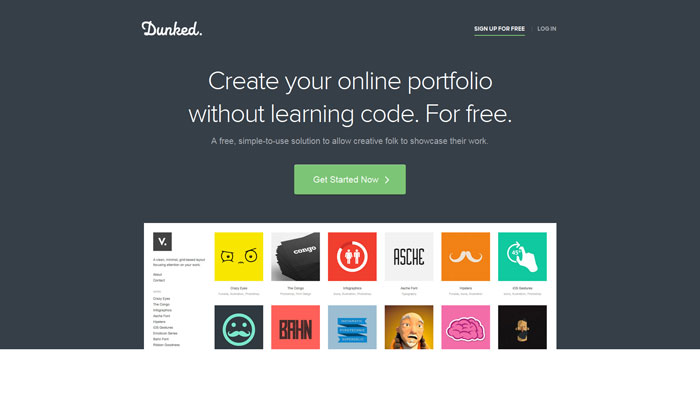
In conclusion, achieving a website clean simple design requires a thoughtful approach that considers user experience, visual hierarchy, and content organization. By understanding and implementing these strategies, you can build websites that are not only aesthetically pleasing but also highly functional and engaging, leading to increased user satisfaction and achieving your business goals.